

Casting

Tenkara Cast / Episode 40 / Skills and how-to
Fishing small streams and tight waters
Daniel answers a question about very short tenkara rods and explains how to fish tight, overgrown streams by choking up, shortening the line and adapting your cast.
- 27 min
Episode 40
0:00
-27:25
Also on
- Apple Podcasts
- SoundCloud
- RSS
- Download MP3
-
Link copied to clipboard
A reader asked on the Tenkara USA blog whether Daniel would ever make a micro tenkara rod, shorter than eight feet. He answers that question here and then goes through the tactics he uses on streams with dense canopy and brush. He had just returned from the fly fishing show in Atlanta, where many anglers fished tight southern Appalachian streams and wondered about rod length.
His advice is to start with a versatile rod and adapt your technique rather than carrying a specialized rod for the tightest water.
In this episode
- Why Daniel no longer says small streams, and what he means here: streams with canopy overhead and thick vegetation.
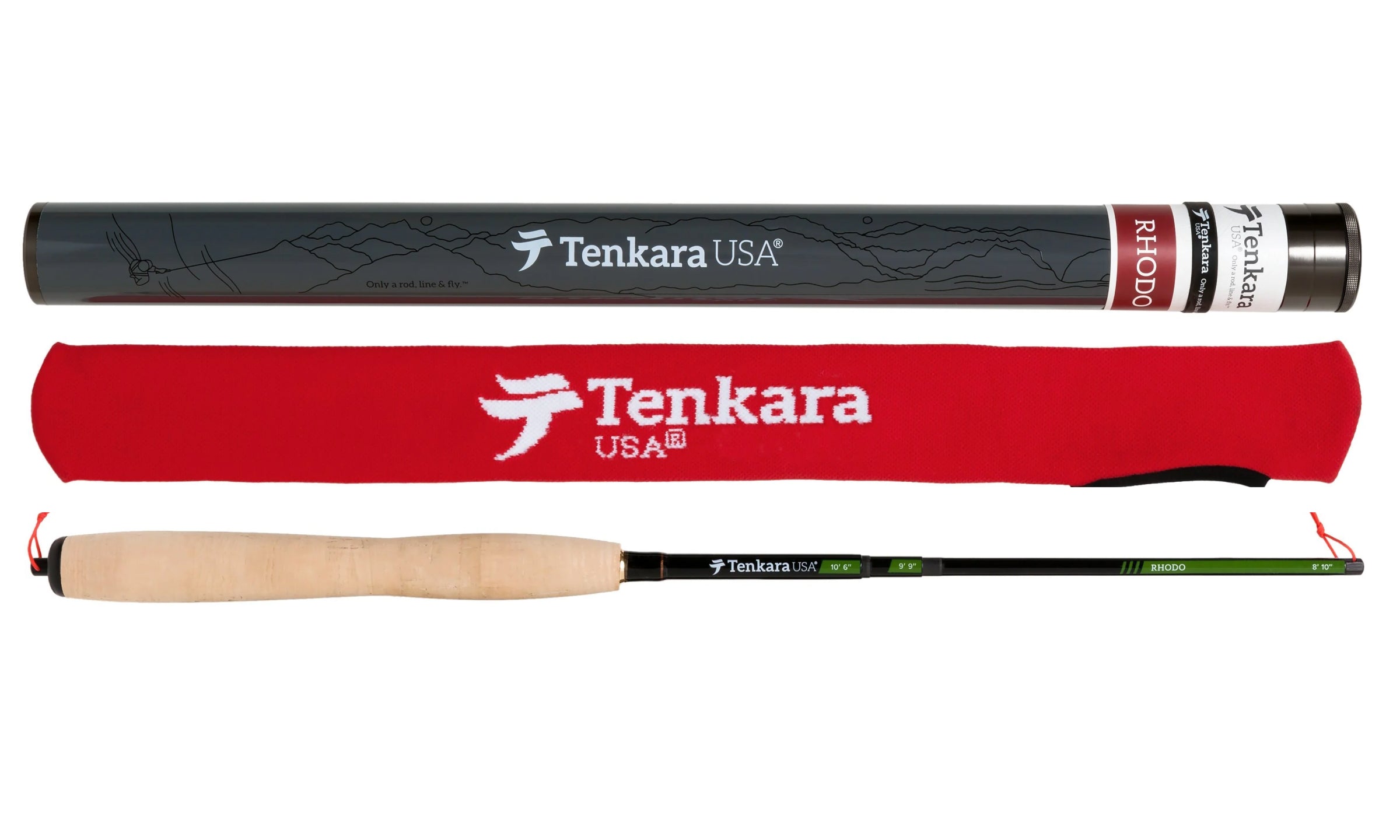
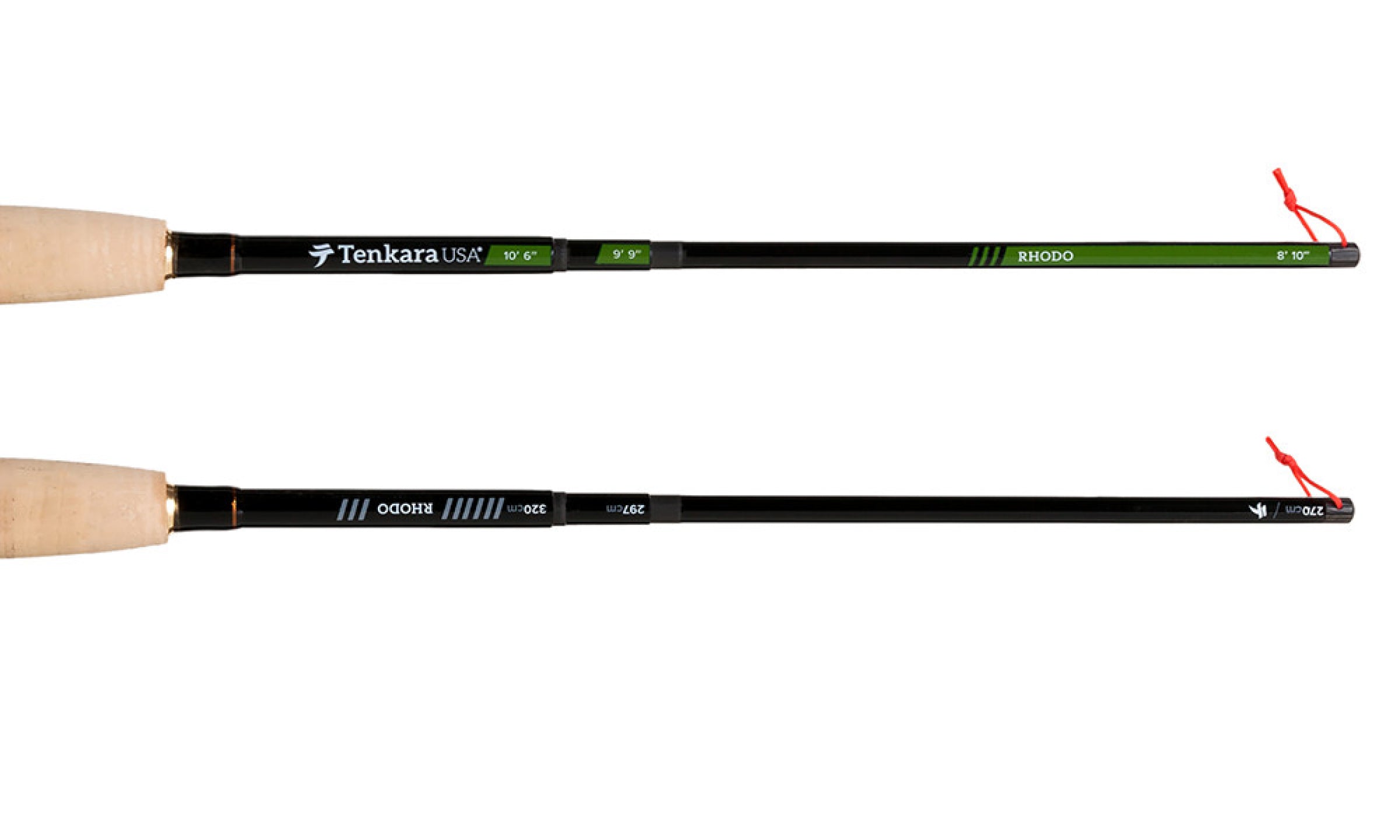
- Why he developed the Rhodo, named for the rhododendron thickets of tight streams, as an adjustable rod that fishes short but stays useful when the water opens up.
- How the fixed line helps: you know exactly how much room you need, and short casting strokes keep the line out of trees.
- Ways to shorten a rod without buying a new one: choke up on the blank, or push the first segment in, which can make an 8 foot 10 inch rod fish at about seven feet or five feet.
- Pair the rod with a line shorter than the rod, such as about nine feet of line and three feet of tippet on a 12 foot rod, so you can dap and lower the fly.
- Casting options: shortened strokes, sidearm casts, and the slingshot or bow-and-arrow cast popularized by Joe Humphreys.
- Landing fish in tight spots: position yourself for clearance, get down on your knees, and hand-line the fish if needed.
Mentioned in this episode
- RHODO adjustable rod
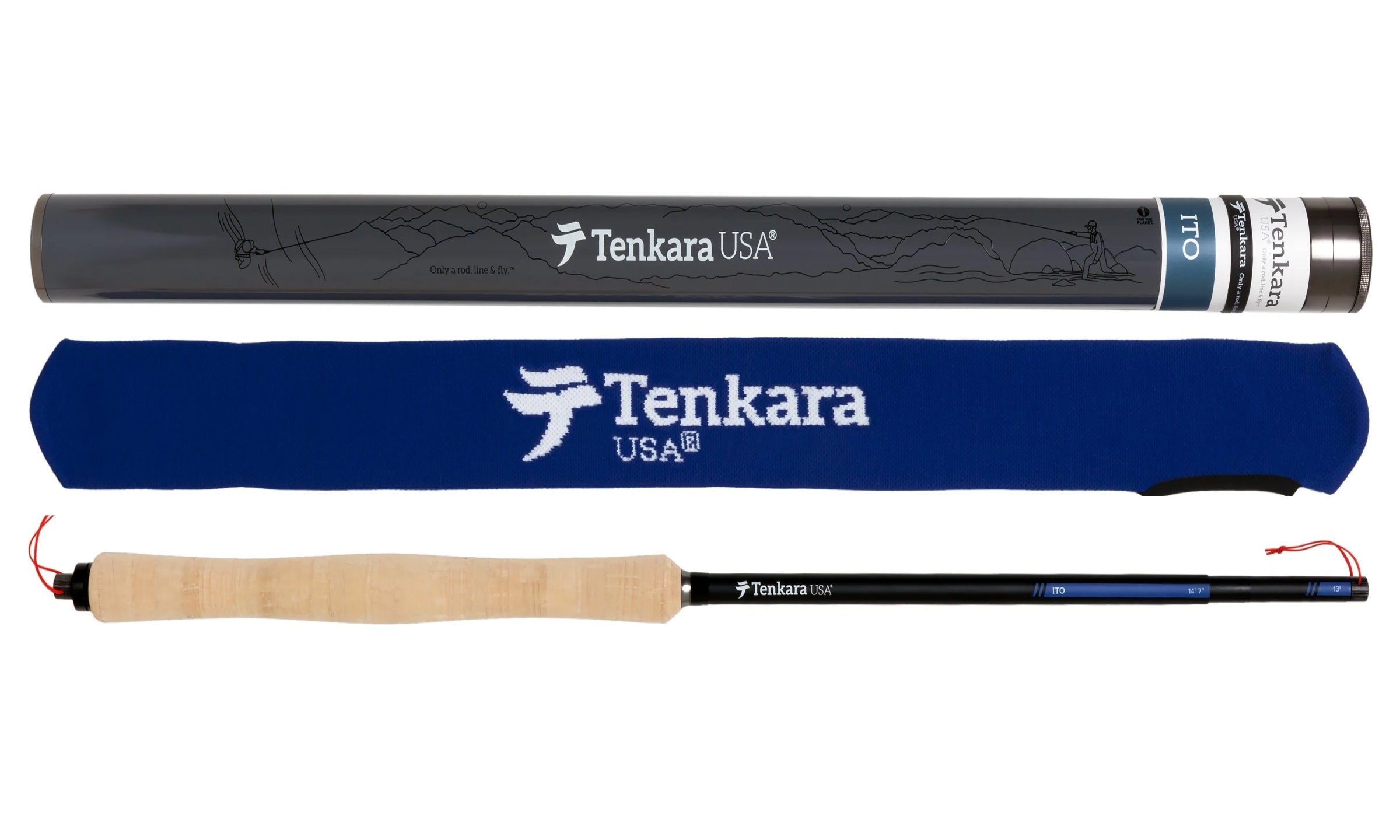
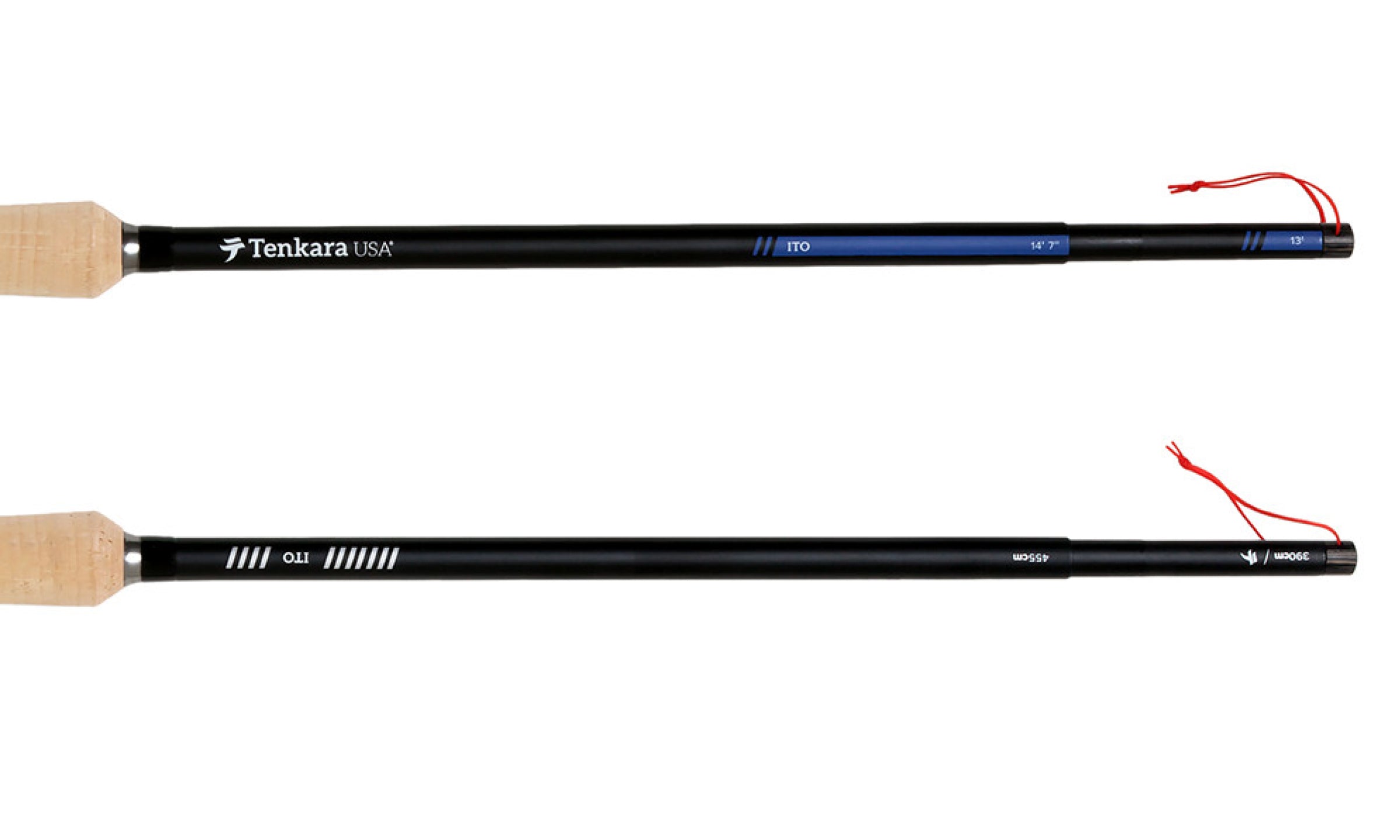
- ITO adjustable rod
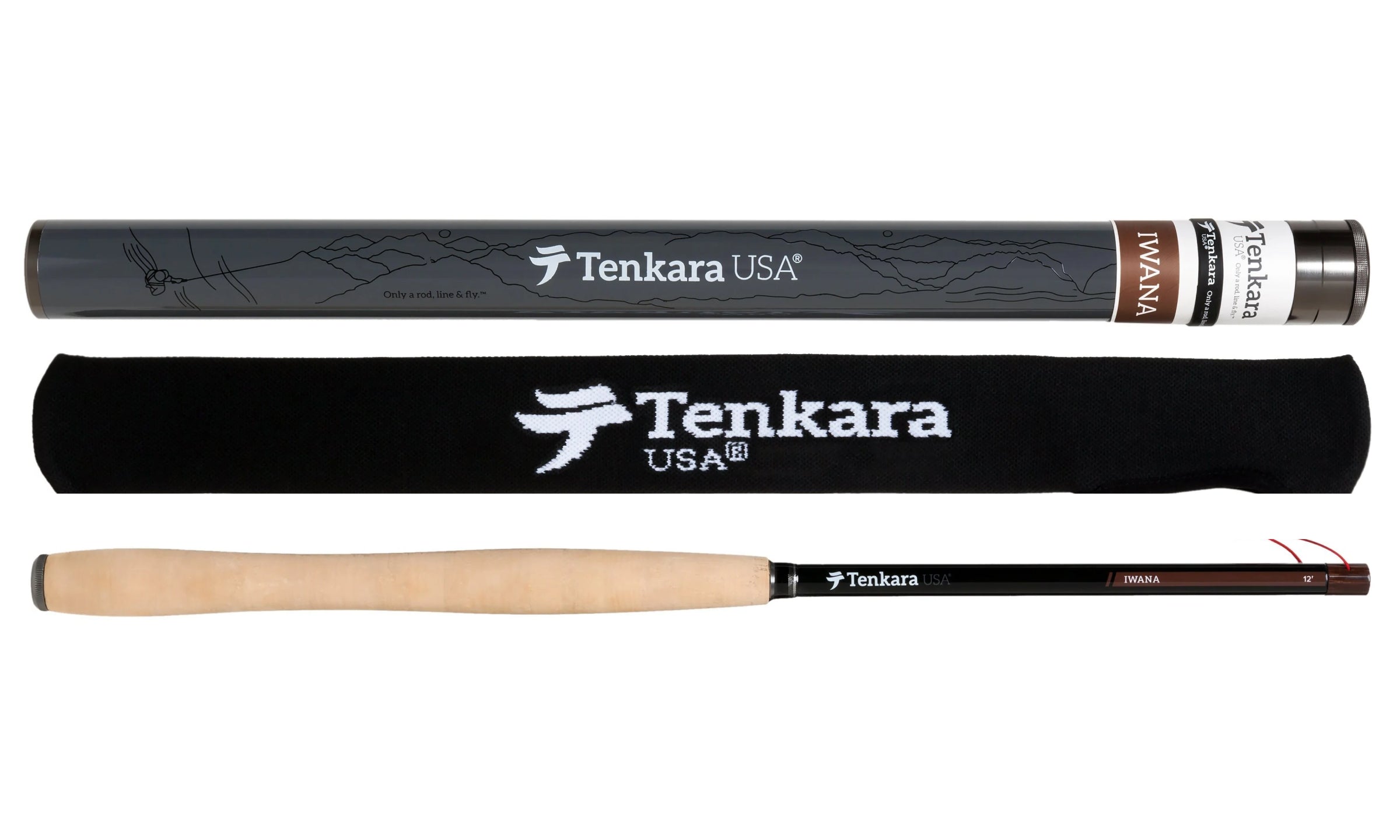
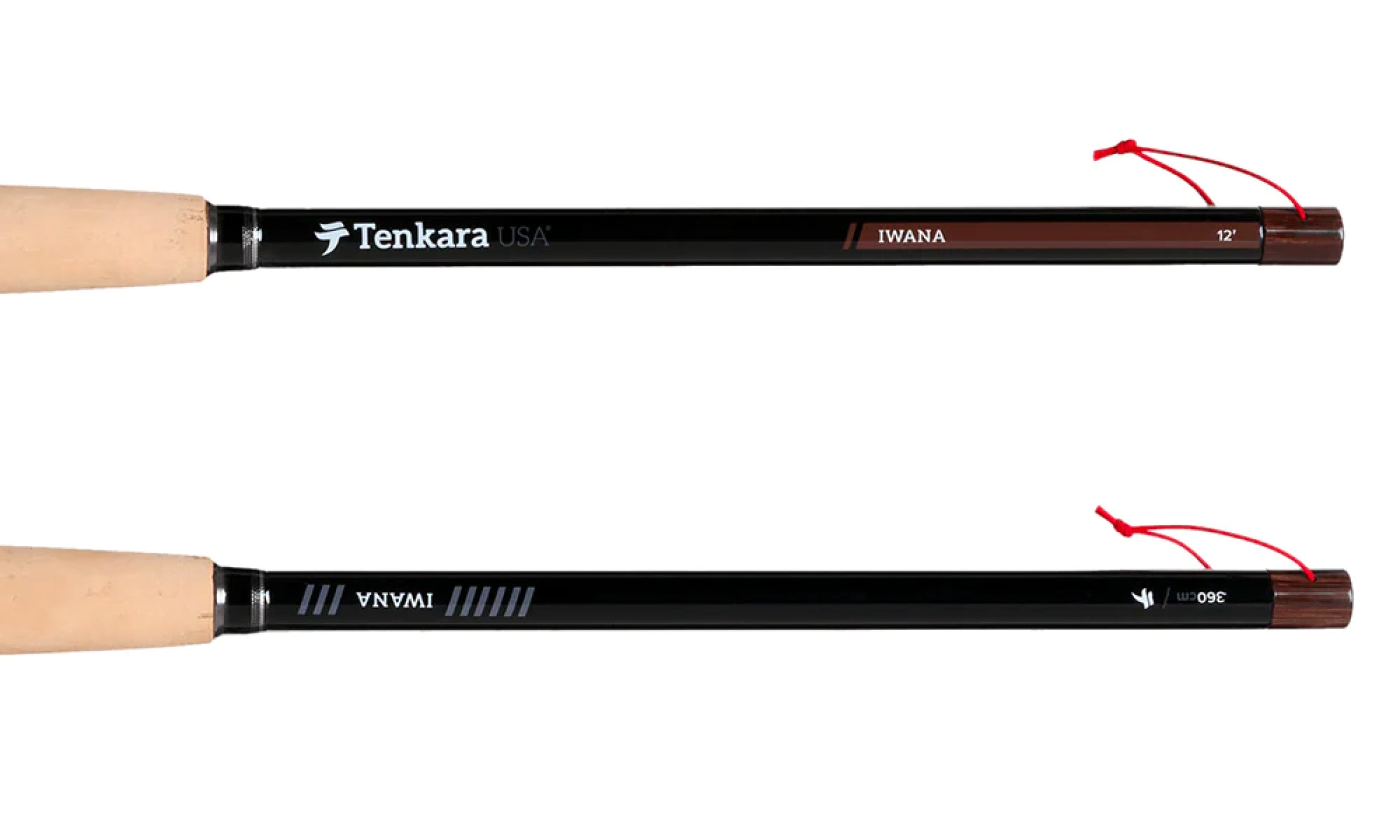
- IWANA 12ft rod
- Joe Humphreys, who fishes tight streams and popularized the bow-and-arrow cast
Read the full transcript
0:00This is Daniel Galhardo and you're listening to the Tenkara Cast, a podcast about the simple Japanese method of fly-fishing, Tenkara. In the Tenkara Cast, we'll be sharing information on techniques, history, philosophy, and Tenkara stories from anglers all over the world. This podcast is brought to you by Tenkara USA, introducing Tenkara outside of Japan since 2009. It's only possible we create content such as this podcast and videos because of your support. So we thank you so very much for purchasing Tenkara USA rods, lines, and flies. I hope you enjoy learning more about the simple method of fly fishing. Hey everyone, thanks for joining me again on another episode of the Tenkara Cast. Today I'm going to keep it a little bit short, but I did want to get to something that has been on my list on potential episodes that I've wanted to do for quite some time, and I haven't gotten to it for whatever reason before. But today I opened up our blog page and there was a comment from somebody asking me about if I was ever, what my take was on very tight, very tiny tenkara rods, micro tenkara rods, essentially sub eight foot, if I was ever going to develop one.
1:19And I'm assuming, of course, that the question was based on perhaps that person's interest in fishing very tight streams. Today I'm going to be talking a little bit about what my take is on very short tenkara rods, as well as tactics and techniques for fishing some of the tightest of streams that you'll find, and where you can take tenkara without a problem if you know a few things that you can do with your tenkara rod. So, in terms of fishing very small streams, first of all, let's define small streams, because years ago I stopped using the term small streams for describing the ideal waters for Tenkara because the term small streams brings up what is a small stream, first of all. So it can be, you know, small, narrow meadow streams that are very open. It can be, you know, what I consider medium-sized streams, like 25 to 40 feet wide that perhaps have a little bit of trees around. Some people might consider some rivers to be small streams because they might be used to spending time in very large, you know, hundreds of foot wide kind of rivers.
2:29And when they go to some place that is 50 foot wide, they might consider that a smaller stream. So the episode today is going to focus on the smaller streams that have more canopy overhead, more dense vegetation around and over the angler. Because those are the kinds of streams where it can get a little bit more challenging to fish. If we talk about fishing small streams, and by small streams we mean like a mellowy stream with no cover, you know, covering the water, those are pretty easy to fish. You just kind of, you have the long rod and you're mostly facing upstream. Even if the stream is three feet wide, you can fish those without a problem. And I don't think I have to talk too much about that. but the ones that are a little bit more challenging and that bring up the question of shorter rods are going to be the tight streams that have more coverage and that kind of thing so I just came back from a show also in Georgia and you know so the timing is good because the question was on our blog but this entire weekend I was talking to people about fishing very very tight streams you know most of the people that came to the show even though the show was in Atlanta most of the people that we talk to seem to fish the very tight streams in north Georgia maybe in South Carolina and Tennessee and they go into these southern Appalachian trails and streams and those I understand they're you know I fished a little bit not in Georgia so far but in Tennessee and north and south Carolina a little bit and I have encountered some real, real tight streams.
4:14And the same can be said pretty much on any of the streams in lusher parts of the country. Usually I think of the Appalachian Mountains, from south to north, they tend to have a lot more of the deciduous trees, a lot more vegetation that covers the top of the stream. and then also like in the Pacific Northwest, there's some areas that might have some of that as well. So the entire weekend I had constantly to answer the questions about, you know, about the rod lengths and I understand it because, you know, it's easy to be very skeptical about us suggesting that you can use a, you know, long 11, 12 foot rod in a smaller stream. so people kind of usually were a little bit skeptical a little bit suspicious when I told them that yeah you can fish the tight streams that you have in north Georgia with some of our longer rods but let's talk a little bit about rod lengths and then I'm going to talk about tactics and techniques that I use for fishing small streams so on average a tenkara rod is about 12 feet long as we all know and in my opinion there's really no need to go with a much shorter rod than like our shortest rod that I've developed is eight feet ten inches the shortest length I even with that I have a hard time recommending anything that would be fished solely under 10 feet. So the rod that I developed for fishing tighter streams is the rhodo. I call that the rhodo for rhododendron, you know, which is usually abundant in some of those very tight streams.
6:03The rhododendron tends to swallow a lot of flies. And in order to be able to work, you know, in streams that have a lot of rhododendron and a lot of coverage overhead, I did see a need to develop a rod that was shorter than the 11-foot rod that we used to have, the Iwana 11-foot. But at the same time, I really did not believe somebody was going to be constantly using the rod under, you know, about 10 feet or so. And I wanted to give anglers a rod that could be fished well when the waters opened up, as well as when the water got really, really tight and very dense, you know when the streams got very dense so i had this concept in my mind of making a adjustable rod that would give anglers that are fishing the tightest waters the short rod the sub nine foot rod that they wanted while retaining the longer lengths that i think is beneficial a lot of times for fishing smaller streams so the roto can be fished eight feet ten inches nine foot nine ten foot six inches. I consider anything sub nine foot very very short already and you see why in a second when I talk about things that you can do when you're fishing tighter waters. But with Tenkara I should mention you know first of all because there's no running line we have a fixed length of line at the tip of the rod and we have a lot of really good control over the line.
7:37so we have to kind of ignore you know if we come from a western fly fishing background we have to kind of ignore how we did western fly fishing in tight streams a little bit because it's a little different instead of like pulling an extra couple of feet of line here and there in order to reach a certain area with the same kind of rod we do want to use a longer rod and then we can kind of vary the length of line, but we have this fixed length of line. And the big advantage that having the fixed length of line tied to the tip of the rod gives us is that we know exactly where, you know, where we can cast, how much room we really, really need to get our line out. The other thing, too, is that, you know, we're not stripping an extra foot of line here and there, which all of a sudden, let's say you have 10 foot of line out, and you strip an extra two feet, and then the next cast you know your first few casts worked okay and the next cast you decide to strip an extra two feet of line from your reel and all of a sudden you're caught on the trees behind you but with tenkara we have this fixed length of line we can get used to how much line we have pretty easily and then the other thing too you know as i mentioned a little bit earlier having that control over the line because we have more rod than line essentially and lastly the way that we cast with a tin cutter rod usually is a little different and i'll talk about casting tactics as well but most of our casting with the tin cutter rod is going to be very short strokes we're not moving at 10 o'clock two o'clock we're stopping the rod much sooner instead of making this wide arc with a rod tip we're just making moving around just a few degrees you know angle in front of us so that's a little bit about the equipment that you know we currently use and a few things in terms of what i think are neglect the need to make even shorter rods now the question that was posed you know is if we are going to develop even shorter rods and my my answer is pretty quick it's on our blog right now and under the questions and answers post which is pinned to the very top of our blog page, tincutiosea.com forward slash blog. And so you can see the question there and my answer is much shorter than what I'm saying here. But essentially, the reason that I'm not interested in developing a rod that's going to be shorter than the current 8 foot 10 inch rod is because when we have a longer tincut rod, we have a few options. We have a lot of options actually in front of us that allow us to get into the tighter spots when we need to, but continue being, you know, be an effective rod when the waters get a little bit wider. So for example, first of all, there's no real telling you where to hold a tenkara rod, which means that you can hold the rod high up on the handle. You can hold the rod on the blank at the end of the first segment of the rod or even a little bit higher. So instantly, whenever you need a shorter rod, you just have to choke up on the grip, just hold it up higher. So with the Rhodo, for example, the rod is 8 feet 10 inches. If you hold the rod at the end of the first segment, which is roughly almost 2 feet long, you're going to be effectively fishing the rod at around seven feet long so all of a sudden with one rod not only do you have the three lengths that we designed the rod to be fished at but you also have a fourth length which is seven feet long and that to me is an incredibly short rod even when i fish the very tight streams both in the appalachia mountains but also in japan too i fished some very tight waters there or in the high country here in colorado over the last eight years actually almost nine years of fishing with a 10-cut rod, I've done that, you know, maybe a couple of dozen times where I choke up the grip, hold it up higher. It's not even something that I use all that often, but it's a really good option.
11:54And so all of a sudden you can think about the rod. If you have a 12-foot long rod, you hold it up on the end of the first segment, that's a 10-foot rod, so it's much shorter. But of course, then there's the, you know, like, okay, what if the water gets even tighter? I'm talking about these tiny little tunnels you know that i fish in pennsylvania or whatever whatever whatever place you're fishing but here's one thing that you can do and i've probably only done this about maybe five or six times in the eight years of fishing including a lot of very tight waters beyond holding the rod at the end of the first segment which shortens the rod by almost two feet you also do have the option to shorten the first segment into your rod and you know usually i do recommend if you're targeting large fish that if you do do that if you hook a fish try to extend the rod fully so you have the full strength of the rod but you know typically when you're fishing these tightest streams that do require that kind of tactic then you're probably going to be fishing smaller fish. And even if you catch a larger fish, the rod should be okay. But in any case, so now, you know, you're holding the rod above the first segment, essentially, and you choke up one segment, your rod is getting close to four feet shorter than its design length. So the roto, which is our shortest rod, again, eight feet, 10 inches, choke up on the grip, you have a rod that is roughly seven feet long, put a segment inside, you're looking at a five foot rod. I mean, that's really, really short right there. So, you know, instead of trying to make these rods that are like, you know, super, super specialized and all of a sudden have no versatility, why not just look at a rod that you already have and learn how to use that in a variety of different conditions.
13:51To me, I always say something that I try to repeat over and over, which is versatility breeds simplicity. If you have something that's very, very specialized, you only use that in a very small range of conditions, and then you have to carry more gear, and you end up with two rods or three rods when you're going to go fishing. but if you have a very versatile rod something that's going to give you the ideal length of a 10 cutter rod and you learn how to use it the versatility is going to give you a new level of simplicity so instead of carrying a rod for the tightest streams and then one for the one he opens it up you have you know we have the option of a rod that is adjustable and then a few different techniques that you can apply uh you know to the rod so you can fish it even shorter so So in sum, I don't think I'm really ever going to develop a rod that is shorter than a roto at the shortest length. I just don't think it's the right thing to do, personally.
14:56There's been a lot of arguments in the Tenkara community about, you know, making even shorter rods and the benefits and, you know, why not. But I've kind of arrived at this place where I've fished so many tight waters and have not seen a need for even shorter rods than this. Now, so that's about how to use the rod. Now, let me talk a little bit about casting techniques and a few things to keep in mind as well. So, when you do get to tighter waters, keep in mind that, you know, first of all, you know, I'm assuming that you kind of already know a little bit of the basics of casting with a 10-cutter rod. And, you know, you're moving the rod typically to 12 o'clock on your back cast and forward on your forward cast. keep in mind that you can shorten that stroke instead of going to you know the 10 o'clock in front of you essentially to 12 o'clock you can kind of do your cast more like in front of you so you can go to you know let's say start in 9 o'clock or 10 o'clock in front of you kind of at an angle and you barely move the rod up like just a few inches on your handle like three inches and stop it around 11 o'clock almost in front of you and the line is not going to go quite as high up and you also do that very quickly so you know if you let the line kind of stretch above you you might get caught on trees but if you move it very quickly then you can have less line fly in the air and getting caught on things the other thing too that i do like to mention is when you when I'm fishing very tight streams, one of the things that I really like to do is to pair any of the Tenkara rods really with a line that is shorter than the rod. So this is a tactic that I haven't talked that much or a rig that I haven't talked a whole lot in the past, but I have written a little bit about it. And, you know, when I'm talking about using a line that is shorter than a rod, what I mean is essentially ending with your line pretty much right on top of your handle.
17:02You know, so let's say I'm using a 12-foot rod. I might have about, let's say, nine feet of line roughly and then three feet of tippet. You know, in those cases, I don't need as much tippet because I'm not putting any line in the water and that kind of thing. And then the fly is going to be pretty much right ending on the handle of the rod where I can go even a little bit shorter. so try that combination if you're fishing very very tight streams uh try a line that is shorter than a rod even by a couple of feet because what that allows you to do is almost not cast i mean that's where the dapping technique can kind of come in really handy uh instead of having to move the line much you can just kind of lower it at a fairly good distance so sometimes actually when I'm fishing near Boulder here I'm very often carrying my 13 foot long rod the Ito which can be also fished at 14 feet 7 inches and when I do get up to the higher country above Boulder I might just tie a line that is roughly I'm thinking like nine feet long plus three feet of tippet and then the line the fly is going to end above the handle a little bit and I can lower my fly very effectively where I want to and that kind of thing. It doesn't work quite as well to use a very long rod, you know, when you have super tight canopy, um, because, um, you know, then you, when you catch a fish, you have to just be very, very careful not to get the tip of the rod.
18:32But at the same time, you can always use those tactics that I mentioned earlier of holding the rod above the handle, maybe collapsing a segment to bring the fish in and so forth. So that's another thing to keep in mind. Let me talk a little bit more about casting. Keep in mind that like when I usually talk about casting, we talk about an overhead cast, you know, which is the going up straight in front of you, stopping roughly at 12 o'clock and then going forward. Keep in mind, you can keep the tip of the rod pretty much in any kind of angle to get the bass cast. So if there's a fair amount of coverage overhead and you don't want to toss your line above you and that kind of thing, you can always do sidearm casting, you know, keep the line above the water. So you kind of cast the line, making the fly go downstream first. And then you're essentially a forecast is shooting the fly upstream into your targets. That can be very effective. And, you know, you know, it makes it so you don't need almost any clearance to cast because you're not making the line move you just have to be aware of the length of the rod in those cases or look for openings you know if there's an opening over the shoulder or the other you can cast into those as well and again making a stroke of the cast very short and also a very quick cast and lastly the other kind of casting technique that you can use and I hardly ever use this to be honest but I've done it maybe a dozen times in the last few years is the bow and arrow cast where you're going to be grabbing the line and you want to grab your main tank out of line as opposed to the tippet or the fly because then if you grab the fly or the tippet, you might get snagged on your finger.
20:18So you're going to grab the tank out of line, pull it so that the tip of the rod, pull it towards you so that the tip of the rod is going to be bending, aim the rod by essentially aiming your handle at your target and then release it like a slingshot. So it's called the slingshot cast or the bow and arrow cast. Joe Humphreys, who fishes a lot up in very tight streams, he really popularized that technique. There's some great videos of him doing that little technique as well. And I think it works great with a tenkara rod when the situation calls for it. I don't use it a whole lot, but it does come in handy once in a while. So when I'm talking about casting, of course, I'm assuming that we have just enough room to at least move the rod above you know so like I just need about you know 12 foot of space above my head to bring a tenkara rod that is 12 feet long when I do catch a fish or I can just angle the rod where there are the openings and that kind of thing that doesn't of course address the issue of okay what if I don't have 12 feet well it's like you know if you have eight foot ten inches you can use the roto in a full extension and you know there are some sections of very very tight streams that there might not be quite nine foot of clearance above my head but as in a stream as a whole that's kind of rare usually there might be a little section here and there even the waters that i fish really close to my home here which tend to be a little bit more open there are going to be sections where there's just no clearance overhead and usually what i do is i position myself upstream or downstream so that i do have the clearance to bring a fish in but again just going back to what i mentioned earlier if you don't have the knife foot clearance just kind of hold the rod above the handle choke up one segment if you need to and the other thing too get on your knees you know if if you're standing tall and i'm assuming if you're fishing those tightest waters you're going to know this but if you're standing tall you're going to need more clearance but if you just get down very low you don't need quite as much clearance to bring a fish in a couple of times i have been kind of caught maybe perhaps a little bit unaware in a stream section i got a little tighter and maybe i had a longer rod and all of a sudden i you know i'm focused on the fishing i'm focused on the fish that i want to catch and i forget to look up and see okay what's going to happen if I do catch a fish so I make this very difficult presentations very difficult casts and all of a sudden I start angling the rod back and it's like oh shoot I'm going to touch the tip of my rod onto those branches so very quickly what I've done in those cases is put my grip up perhaps get lower on my knee and perhaps even choke up one segment as if I was you know as I mentioned earlier as I'm playing the fish and then the only difference is that I'm going to have to grab the line and hand line the fish in a little bit more.
23:21But in any case, I mean, I suspect I might talk about shorter rods again at some point in the future. But these are the tactics that you can keep in mind when you're fishing very tight streams, very tight waters. Choke up on the grip, put a segment in, be aware of the trees around you, get down on your knees to fish, and have a shorter line than your rod length. And all of those things pretty much make it so that you can fish anywhere you want, pretty much with any of the rods. And in terms of like emission as well, versatility breeds simplicity. I always like to mention get the longest rod that you can for the streams that you're going to be fishing the most. So if most of the waters you're going to be fishing are open, get a 12-foot long rod. And then when you do decide that you want to fish some tighter waters around you, use those techniques that I mentioned. If you're fishing very, very tight waters, get the roto, 8 foot, 10 inches. You can fish it as short as 5 feet with what I mentioned.
24:24So, yeah, I'm not going to make a shorter rod anytime soon that I can think of. And hopefully those tips will help you next time you go fishing. if you have any real concerns like if you have run into situations where you really didn't think you could even use the roto you know perhaps you didn't use one of the techniques that i mentioned but perhaps you try those but if you do have any questions or any situations that you've run into that these things don't work i'd really love to hear it if you go to tenkarausa.com forward slash podcast and you look up this episode you know small streams tight waters um leave me a comment in there or contact us on facebook or whatever other way i'd love to hear if you have certain sources of frustration when fishing the tightest waters and perhaps you have some tips on your own as well that you'd like to share with the audience and you can leave those as well but that's it for my episode today just uh some thoughts about fishing tight waters uh as i'm thinking about the those of you in the tightest of streams in the country all right thanks so much for listening to another episode of Tenkara Cast uh go to our website tenkarausa.com forward slash podcast for more information uh and leave us a comment and i'll see you next time on the next episode of the Tenkara Cast thanks As always, I'd like to thank our friend Nick Ogawa Takenobu.
26:23You can find his music at takenobumusic.com. I'll put a link on our website. This is a song called Fishing, I think very appropriate. It's a song that made me learn about his work and totally fell in love with his music ever since. Thank him for letting us share his music here on the podcast. Take a look. He's got four beautiful albums on his website. So enjoy the rest of the song and listen to it on your next drive when you go fishing. Thank you. Thank you.
This transcript was generated automatically and may contain errors.
Keep listening
More from the Tenkara Cast
-
58 min
Ep. 65Skills and how-to
How to fish a mountain stream
49 minEp. 64Skills and how-to
Tenkara Q&A Part 2: Tenkara Lines, Tenkara Flies, and more
50 minEp. 63Gear
Tenkara Q&A Part 1: Tenkara Rods
42 minEp. 61Skills and how-to
Covering Water + a 5-minute Meditation
1 hr 3 minEp. 60Skills and how-to
How to Find and Explore New Fishing Waters
35 min
Mentioned in this episode
Shop the episode
Watch next
Related videos


 5:44
5:44
Product intro
Introducing the YAMA™ Rod
 10:20
10:20
Product intro
Introducing the IWANA™ 15th Anniversary Edition

JOIN OUR COMMUNITY
Welcome
Get tenkara tips, new videos and exclusive sales in your inbox.