

Tenkara Cast / Episode 31 / Stories and philosophy
Taking up new sports
- 24 min
- Apple Podcasts
- SoundCloud
- RSS
- Download MP3
-
Link copied to clipboard
Daniel is back from two weeks offline with family in Brazil, where he spent time on his parents' sailboat, snorkeled, and, for the first time in about seven years, touched a conventional reel. That trip leads into a topic he has wanted to cover for a long time: taking up new hobbies.
Daniel has tried a new activity nearly every year since his teens, and he has noticed how often we build a monster in our heads before we begin. He shares what he has learned about getting past that, and how it applies to starting tenkara or fly fishing.
In this episode
- A sailboat trip in Brazil: a night-time catch on bait, a grilled dinner, fresh sea urchin and a jackfruit for his parents to try.
- Why a new activity looks harder than it is, with examples from ice climbing, skydiving, road biking and mountain biking.
- How the intimidation often starts with equipment, and why handling real gear in a shop or borrowing from a friend beats hours of web research.
- Why Western fly fishing setups multiply quickly in rod lengths, reel sizes and line weights, and how tenkara trims those choices down.
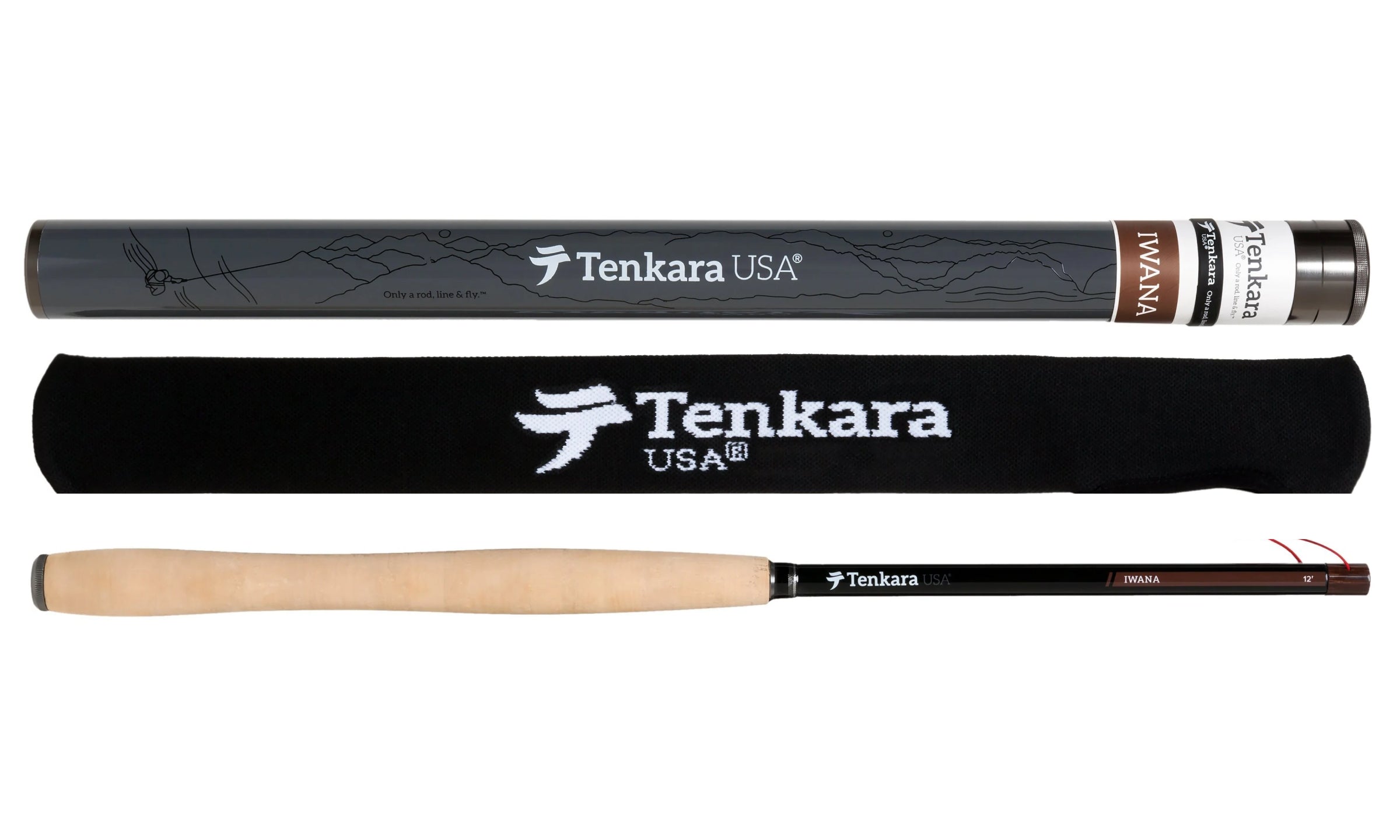
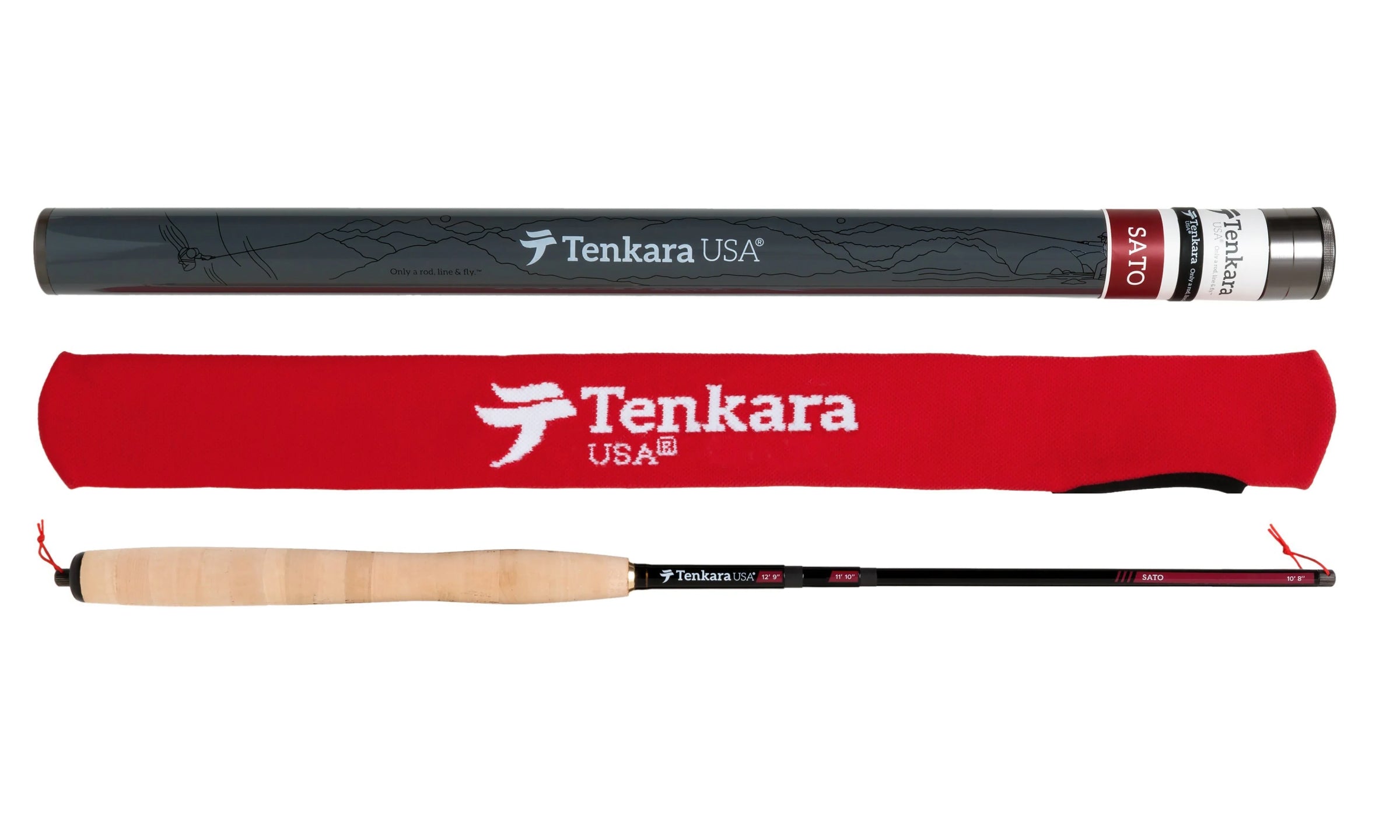
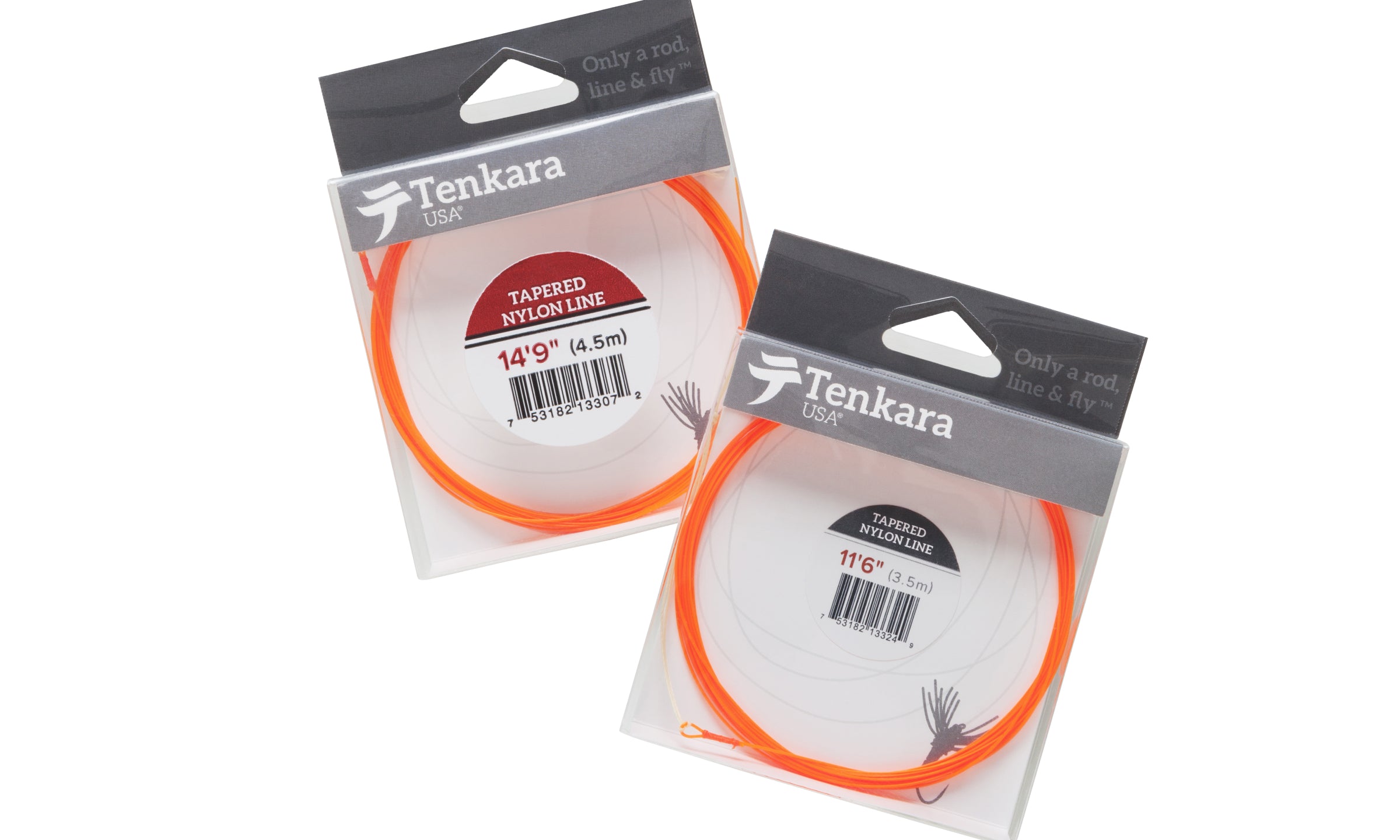
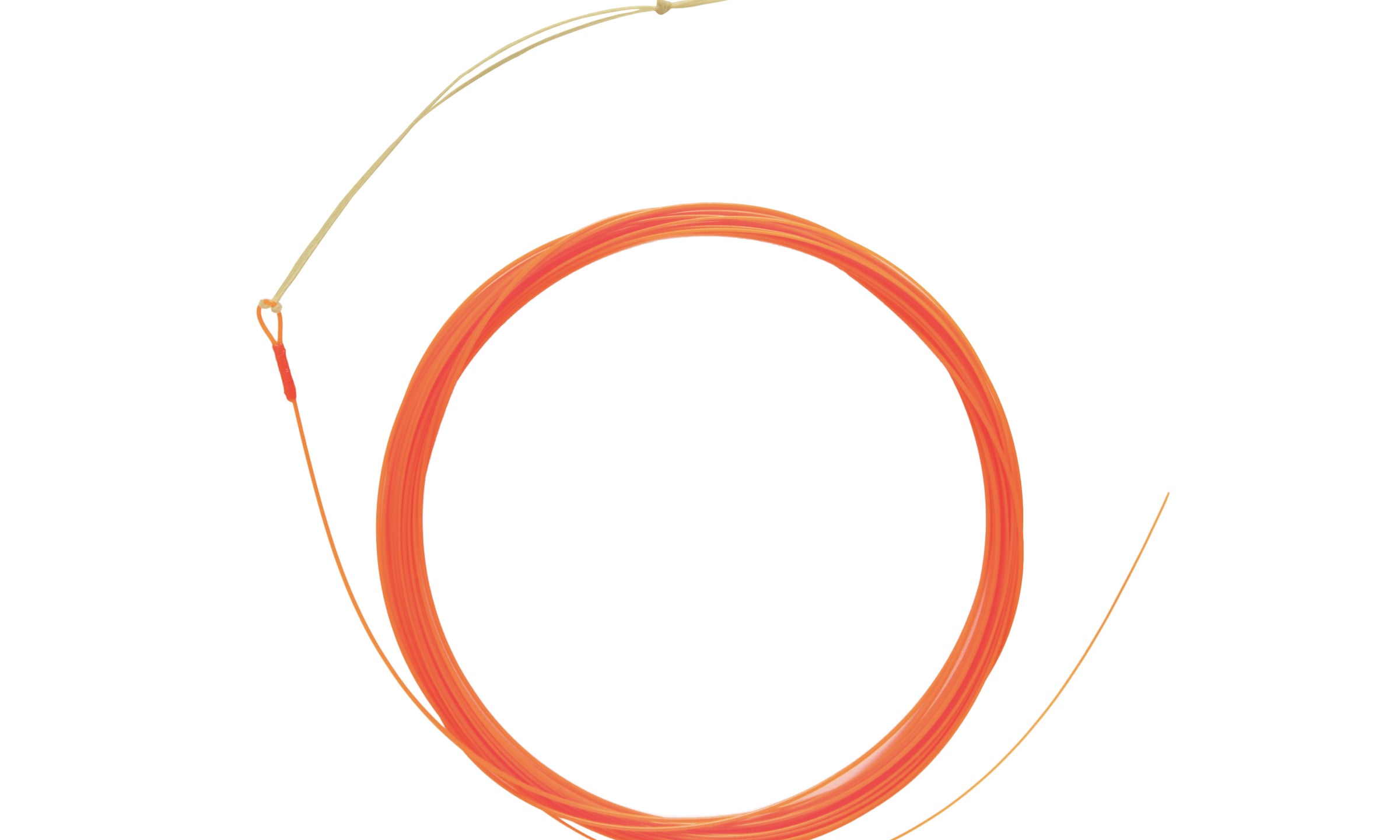
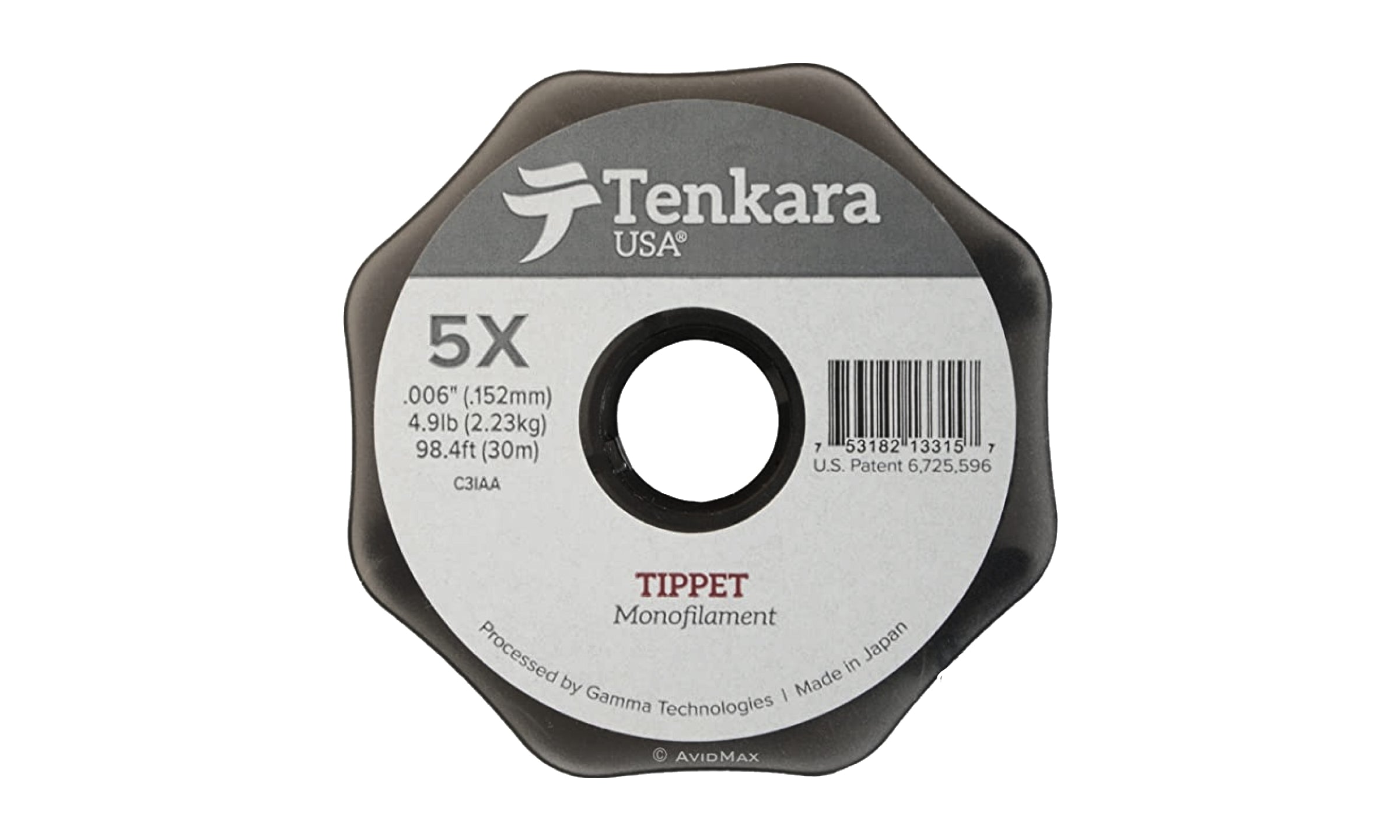
- Daniel's starter advice: a rod, a line, a spool of 5X tippet and a few flies. He suggests the 12 foot Iwana or the adjustable Sato, a tapered line for first-timers and a 3.5 level line for those with fly-fishing experience.
- Don't skimp on a first purchase if your budget allows, because you can outgrow cheap gear fast.
- Simpler ways into bigger activities: bouldering before roped climbing, car camping before backpacking.
Mentioned in this episode
- IWANA 12ft rod
- SATO adjustable rod
- Tapered Tenkara Line (Nylon)
- Tenkara Level Line
- Tippet (5X)
- Music by Nick Ogawa (Takenobu), whose album Reversal had just been released
Read the full transcript
0:00This is Daniel Galhardo and you're listening to the Tenkara Cast, a podcast about the simple Japanese method of fly-fishing, Tenkara. In the Tenkara Cast we'll be sharing information on techniques, history, philosophy, and Tenkara stories from anglers all over the world. This podcast is brought to you by Tenkara USA, introducing Tenkara outside of Japan since 2009. It's only possible we create content such as this podcast and videos because of your support. So we thank you so very much for purchasing Tenkara Yusei rods, lines, and flies. I hope you enjoy learning more about the simple method of fly fishing. Hey everyone, thanks for tuning in to the Tenkara Cast, a new episode being recorded here at the end of March 2016. I'm now back from a couple of weeks vacation that I took where I completely logged off the internet. and that's the only time that I can recall possibly since the advent of the internet where for two weeks I did not check email I did not check Facebook I was just completely offline and I think that was wonderful for my head actually I think I should do more of those although today Monday here I'm catching up on emails and I wonder how many times I should do that or how often it was a it was good though it was a visiting family in brazil um a whale confessed that for the first time also in probably about seven years i touched a reel again i was not fly fishing but um i spent some time with my parents on a sailboat and my dad is an avid fisherman uh he does some tenkara he doesn't do any fly fishing but he does a lot of conventional fishing with a reel and one day we were catching these we're on the coast on a sailboat on a on the ocean and at night time especially we would see these i'm not sure what they would be called in english i have to do some research but some type of swordfish um and he set up the reel with some squid i was using bait i will confess that um and for the most part i was just snorkeling around you know my dad was fishing but i would come back to the boat and i just kind of you know spend a little time fishing with them and he had one rod set up i uh we did not set up multiple rods so um i was not actually doing the one the one doing the most of the fishing uh but funny story he set up the rod um one of the evenings and you know like everybody kind of took showers and when and the rod was there set up waiting for a fish to take and when it was his turn to take a shower he went on underneath in the in the cabin in the boat and the the buoy uh little illuminated buoy started moving this was nighttime and there he is taking a shower and i see this thing moving and i do have to do what i have to do i have to touch the reel and and i'm there i'm there kind of screaming dad dad you have a fish on you have a fish on but there's no chance that he could be coming up in you know in time to catch this fish so i went there grabbed his rod and pulled this fish it was uh i'll try to see if i can post a picture of it on our on our podcast page here but this fish that's about four feet long very skinny bright silver and i brought him onto the boat and he has these like gnarly teeth so it's not really a swordfish even though that's what they call it in Brazil. Pescea Spada, it's called. But very gnarly looking fish. And we were actually catching fish to keep for cooking for dinner or lunch. And we kept it. The next day I cleaned it for the family and we cooked it on a grill on a sailboat. And that was wonderful. I do not have any qualms to say that I touched the reel and I used some bait to catch fish. Fishing was not my objective on this trip at all. I just wanted to log off. Most of the time I was snorkeling.
4:05I was learning a little bit how to sail. Sailing is a new activity for my parents and they've been kind of learning it for the last few months and they were kind of teaching me what they've learned so far. My wife came along. It was her first time on a sailboat and for both of us it was the first time that we were spending the nights in sailboats. So wonderful activity, learning new things. I learned more of, you know, like how to sail. I got a chance to do a lot of snorkeling. My wife was pretty much learning how to snorkel for the first time. And we did some really other really cool things. I, you know, like while snorkeling, I caught a couple of sea urchins. And, you know, my parents were always afraid of them, thinking that they could sting you. But I went there and I grabbed a couple, opened them up and served them a fresh platter of uni. Uni is the sea urchin on top of rice. My parents are usually picky eaters, but they took that and they loved it.
5:08So new experience for them. I also had one point I had a really cool experience. My dad, he pointed out to a beach where we were near. He said that if I just took this trail there'll be a lot of jackfruit on the trees. He had been there before and my parents had never eaten jackfruit. I'll try to post a picture of that. But, you know, I had to, to get to the trail, I had to swim maybe a hundred yards. So I jumped off the boat, swam to the beach barefoot, went on this trail for a couple hundred yards, found a jackfruit tree. And luckily to me, I found a few jackfruit that were within reach. And one of them luckily was ripe. And I took that, swam back to the boat with the jackfruit above the water and opened it up and served it to my parents. So that was a really fun experience as well. So lots and lots of new experiences. And I came back. And this is actually a topic that I've wanted to discuss for a long time, which is taking up new hobbies, new activities, new experiences, because that's what Tenkara is for a lot of us.
6:21For me, when I first discovered Tenkara, it was a completely new hobby, you know, a new type of fishing. And since then, I have been introducing Tenkara to a huge number of people outside of Japan, you know, particularly in the U.S., but just thousands and thousands of people have taken up this new activity. One of my great pleasures in life is introducing new things and new experiences to people. And I've realized that because of Tenkara, you know, I've always done it my whole life. I wanted to show new foods to people. I wanted to teach people new sports that I have been learning. Tenkara was a really good way to do that and show me how much I like doing that, showing my parents how to eat a sea urchin or a jackfruit, helping my wife with learning how to snorkel, and then myself learning a little bit of how to sail. Pretty much my entire life, I have also enjoyed tremendously learning new sports, taking up new hobbies.
7:26I have a very deep curiosity about things, and I always want to learn how things are done. I don't have the longest attention or retention span. I think fishing and rock climbing are the two activities that I've done the longest. And I started both of them at around the same time when I was about 14 to 15 years old. But pretty much every single year since then, I would say, I've probably taken up a new activity and learned as much as I could. I've never gotten incredibly good at most of them, but it's always been fascinating for me to learn new things. But the one thing that I've learned from trying to take up so many new activities year after year is just how intimidating it can be. And, you know, how sometimes we tend to overcomplicate things in the beginning. and we make this monster in our head, you know, like, oh my gosh, you know, it's skydiving. It's got to be so complicated. It's got to be, you know, absolutely the riskiest thing. And, you know, and then when you start like really learning it, you realize it's not quite as bad as it looked before you started. But anything has its challenges. If you're taking up, even bicycling, Like last year, I took up road biking, and just learning what kind of bikes there are out there and the gears and the sizes of bikes, it was absolutely daunting.
9:01But then once I started kind of trying a few bikes on and I got to talk to a couple of friends, things really became easier. So the topic of today, long story short here, I've already been talking for over eight minutes, but the idea, what I wanted to share today is just the idea of taking up new activities without making this monster in your head. Just to give you a few examples, in the last few years after I started Tenkara USA and after I started introducing Tenkara here, I took up ice climbing. It was a new sport for me. I took up, and I've been doing that for about three years now. I took up skydiving. That was a completely new activity for me. I did that for about a year, and then I decided that I kind of got out of it what I wanted, which was to kind of fly a little bit in the sky and that kind of thing, but also to learn a new thing. And I decided I had enough of that one before I got hurt. I don't want to break any limbs, so I decided to give it up.
10:04But I also took up road biking, and biking was really interesting because bicycling is one of the very fundamental experiences, but to me it was absolutely intimidating to learn much about road bikes and then start learning techniques. I also took up mountain biking. So these are all new things to me that I know a lot of you probably have been doing for a long time. But that's where I'm kind of getting this experience from and what I wanted to share. and then how that applies to taking up something like fly fishing. So with anything, a lot of times I think the intimidation starts with the equipment, especially something that's not quite as extreme as skydiving. But we start looking at equipment and that can seem to be very daunting. So some of us might just kind of get some used gear from friends, Other of us might get to spend hours and hours browsing the web and learning about the equipment that is available and doing all this incredible amount of research before we commit.
11:16And yet others just get a suggestion from somebody else and go and buy it. So there's a lot of different approaches to equipment. And that's the first thing that I wanted to talk about, the equipment that comes with new activities. so to give you an example you know when I took up road biking I actually bought a couple of magazines and I started like learning the lingo of road biking a little bit of the sizes and a little bit about the fits but nothing really kind of came together to me until I went to a couple of stores and got on a couple of bikes and understood what a 54 centimeter frame meant. And I think the same thing can be done with fly fishing. So we can take any approach here. We can spend numerous hours on the web learning about what gear is appropriate for us. Or we can go to the fly fishing store nearby and get some feedback from reputable dealers that can point us in the right directions, put the rods in our hands, and we can wiggle them.
12:25Or we can just talk to friends. But the thing here is that a lot of times with any of these approaches, we make big monsters in our head. Before we kind of go into it, we overthink it, overanalyze it. And I think there is a better approach. With fly fishing, of course, we can talk about Western fly fishing and tenkara separately in here. But, you know, like in Western fly fishing, you have the standard, you know, the standard kind of rod sets. You know, like a five weight is kind of like a typical starting point. And you get a rod reel and then you have to get a fly line, you know, and leaders. And things can get really complicated very fast because, you know, you have the different rod lengths, but then you have different reel sizes and weights. in different line weights that can go better. You can just get the standard one, and then there's 100 varieties.
13:26With Tenkara, we made things a little bit simpler. And one of the things for me with Tenkara, to share a little bit about my story, when I discovered Tenkara, I had been fly fishing for about 13 years or so. And I was a director of a fly fishing club, and over and over, I would get people coming in to the club and saying like I want to take up fly fishing I just don't know where to start in terms of gear and and it's really hard to kind of start pointing people in the right direction because you have a lot of different rod lengths and lines and to some of my friends I just said just go look for a five-way setup that you can afford but that's really not the, you know, things are usually not that great when you do that. You just, you know, like the experience is not quite as good. When I discovered Tenkara, it was just really a good way for me to tell my friends that I wanted to introduce fly fishing. It's like, here, here's all you need.
14:28You need a rod. Any of the lines that go with Tenkara, any of the Tenkara lines will work fine with this rod. You don't have to worry about length or weight and that kind of thing. In terms of length I started with about the same length as the rod but there's no exact formula you just give or take a couple of feet and and get longer later on if you kind of want to but at least to get started you need this rod you need a line any line thing for tenkara you need tippet rather than going into all the axes I just said get a spool of 5x tippet that's going to last you a year and or more and start using it. But getting started is always the hardest thing. That's where we create, as I mentioned, the big monster in our heads. And I think the fundamental thing in any sport is finding a good, easy way to get started. Because once you get started, you learn a little bit about the language, then you start playing. And then naturally, you kind of start picking up a few things that you wish were a little different in your setup that you know that perhaps you know you kind of start learning like the places where you're fishing or doing any other activities might be more appropriate but to begin with I think it's important that we just have an easy way in with Tenkara any of the rods work fine for pretty much any situation we have two rods in our lineup for example that we always recommend either the 12 foot Iwana or the adjustable Sato.
16:02Those are kind of like the main length of Tenkara rods. If you've never fly fished, we typically say get a spool of the taper line. If you have some fly fishing experience and you want a little bit more versatility, get a spool of the 3.5 level line. And that's just the middle of the road, middle weight of the level lines. And then once you get the Tenkara rod, the line, the tippet, and a few flies, any fly works okay. you start playing and that's all we want really we start we want to start playing right away and once you start playing start having fun and then later on if you really wish you had a shorter rod you'll know but the rod like the Iwana and the Sato they do the job equally well pretty much across the board and that's the same that's pretty much the same thing across any sport and that's what I've learned by taking up a lot of different sports over the years with ice climbing for example, it was pretty daunting to kind of learn all I could about ice tools, you know, the ice axes, crampons, screws, ropes, all this stuff, even though I had a rock climbing background, learning all this stuff, even clothing, like what kind of pants and that type of thing to buy.
17:15But then I realized, you know, like on my first trip, I had borrowed some gear from a friend of he lent me some boots it was a some pretty old boots he had some old crampons and tools and he worked and i started playing pretty much right away and then i started learning when you have a friend to take you of course things are a little easier you can just the learning curve is a little bit quicker more steep when you're taking a sport on your own like for me in terms of road biking, for example. Here in Boulder, I see all these people road biking all up and down the roads. And I always thought it was pretty cool, just the idea of getting out of my garage and just going for a long ride. I started doing some research on my own, but at the end, it came down to me finding a bike that was my size, went for a ride, and it felt like everything was okay, and then just start playing. Later on, I started learning a little bit more about the cleat kind of shoes and, you know, some kind of clothing that helps. But the important thing, I think, is to start playing. And that's across the board with any sport. Skydiving, you go take some class and you pretty much right away start playing. Nobody teaches you that much about canopy sizes and, you know, different rigs. The first thing you do, you take this with skydiving a four-hour class, you jump. You're playing right away. Later on, you start learning about the equipment. So I guess the bottom line here is when you're taking up any new activity, don't sweat.
18:53Do not overthink the equipment. Get something that will kind of work across the board, just kind of like what is recommended as a standard. Typically, I like to say don't skimp. If you're going to be buying equipment, don't skimp on it on your first purchase because you can outgrow it very fast. So for, you know, my experience ice climbing, for example, I went on the first trip with a friend, used his gear. A couple trips later, or one trip later, actually, I found somebody on Craigslist that was getting rid of some crampons and ice tool. Actually, a friend of mine recommended I talk to this guy. Got it pretty cheap, got started, got to play a few more times, but very, very quickly, I kind of outgrew that equipment. if I had just spent a little bit more money, I think I would have been happier and I wouldn't have to spend twice. So there's, I guess the summary here is that don't overthink your equipment too much. Just get something that's going to allow you to start playing.
19:55But as your budget allows, get something that you're not going to outgrow very fast. I think the important thing is to get out and play. And of course, like there is activities that are going to be simpler to take up. So Tenkara, in a way, is the simpler version of fly fishing. A little bit less decision-making in terms of what equipment to match with each other and what to get. When we're looking at other sports, you know, like there is, for example, bouldering, you know, where you just kind of scale boulders and you have a little mat maybe to protect you. That's a simpler version of rock climbing with ropes. You know, a lot of people take up climbing by bouldering, just playing on rocks. And then once they start playing, they go and start learning a little bit more about equipment and ropes. You know, like camping, for example, I think it can be argued that, you know, camping like off of a car, like some car camping is a little bit simpler than backpacking.
20:57But once you camp a couple of times and you get that kind of fear off of your head of camping, and then backpacking will be kind of like a natural extension later on if that interests you so that's just one way to look at it but if you're considering taking up tenkara or fly fishing in general don't overthink your first purchase just get out and play and have fun that's my episode for today on the Tenkara Cast just something that i had been thinking about and maybe i'll one day I'll elaborate a little bit more on the topic as well, but just wanted to share my experiences. And I hope you, we're looking at spring right now, so I hope you're, if you don't fish yet, or if you don't fish with a Tenkara rod yet, I hope you're going to consider taking it up and going out and playing with it. And I hope to see you on the stream as well. Take care, and until next time on the Tenkara Cast. And as always, I want to thank my friend Nick Ogawa, also known as Takenobu, for letting us use his music, which we use in the introduction of every episode of the Tenkara Cast.
22:11Nick Takenobu just released a new album called Reversal, and you can find that at takenobumusic.com. This song is called Che, and I want to say that I really, really enjoyed having his music on my iPhone here when I traveled to and back from Brazil. Tremendo's music, as always. So take a listen and go check out his album at takenobumusic.com. guitar solo Thank you.
23:48Thank you. Thank you.
This transcript was generated automatically and may contain errors.
Keep listening
More from the Tenkara Cast
-
42 min
Ep. 63Gear
Tenkara Q&A Part 1: Tenkara Rods
42 minEp. 59Stories and philosophy
Social Distancing
32 min-
1 hr 5 min
Ep. 47Stories and philosophy
What is tenkara? Part 2
33 minEp. 44Stories and philosophy
Eclipse and Summit: learning more about tenkara flies
40 min
Mentioned in this episode
Shop the episode


Watch next
Related videos


 5:44
5:44
Product intro
Introducing the YAMA™ Rod
 10:20
10:20
Product intro
Introducing the IWANA™ 15th Anniversary Edition

JOIN OUR COMMUNITY
Welcome
Get tenkara tips, new videos and exclusive sales in your inbox.