

Tenkara Cast / Episode 56 / Conversations
Bikefishing + Central New Jersey Trout Unlimited
- 1 hr 4 min
- With Russ Roca, Bart Lombardo
- Apple Podcasts
- SoundCloud
- RSS
- Download MP3
-
Link copied to clipboard
This two-part episode from August 2018 begins with a conversation about bike fishing, the pairing of cycling and fishing that fits the "Tenkara Plus" idea of adding tenkara to other outdoor activities. Daniel Galhardo talks with Russ Roca of Path Less Pedaled, who started the #bikefishing hashtag.
The second part, from about the 35-minute mark, is a conversation with Bart Lombardo about Trout Unlimited work in New Jersey.
In this episode
- How Russ moved from long-distance bike touring to fly fishing, and why tenkara suits small streams, prospecting and travel.
- The story behind the #bikefishing hashtag and the "coffee outside" community that inspired it.
- Practical bike-carrying ideas: wet wading in lightweight shoes or sandals, boots strapped to fork mounts, waders in a handlebar cradle, or a simple front basket.
- How Russ introduced his partner to fishing with a tenkara rod during a salmonfly hatch, and why timing and setting beginners up for success matter.
- Why fly shops and bike shops can both feel intimidating to newcomers, and why both guests prefer a relaxed, accessible approach.
- New Jersey trout water: small wild streams, a handful of larger rivers such as the Musconetcong, and why warm summer water can make catch and release risky for trout.
- Central Jersey TU projects: restoring channelized river sections with heavy equipment, a wild brook trout survey on a tributary, and the Trout in the Classroom program.
- How to find and join a chapter, and plans for a tenkara class in the chapter's fly fishing courses.
Mentioned in this episode
Read the full transcript
0:00This is Daniel Galhardo and you're listening to the Tenkara Cast, the podcast about the simple Japanese method of fly-fishing, Tenkara. In the Tenkara Cast, I'll be sharing information with you on techniques, history, gear and philosophies, as well as Tenkara stories from anglers all over the world. This podcast is brought to you by Tenkara USA, introducing Tenkara outside of Japan since 2009. It is only possible we create content such as this podcast and all the videos that we create because of your support, so we thank you so very much for purchasing Tenkara USA rods, lines, and flies. I hope you enjoy learning more about the simple Japanese method of fly fishing, Tenkara. Welcome back Tenkara Cast listeners. I appreciate you returning to yet another episode of the Tenkara Cast. Hopefully you're going to be really enjoying the conversations that I'm going to be having here today. We're going to have a two-part episode, as is the new format for this podcast.
1:05The first part is going to be a conversation, you know, the topic of the day. And today that's going to be a conversation with Russ Rocca from the Pathless Paddled blog. Russ is the creator of the hashtag Bike Fishing. And as a lot of you know, we have the campaign we call Tenkara Plus. And it's the idea of combining sports with Tenkara because the rods are so portable, easy to bring along, and so forth. So we have a conversation about bike fishing and, you know, how to go about doing it and so forth. And the second part of the conversation today, which is going to start in roughly the 37-minute mark, is going to be a conversation with Bart Lombardo, who is the current president of the Central New Jersey Trilateral Limited Group. Bart has been involved with TU for a very long time, and he's a good friend of mine. And I wanted to get his take on all the different issues, challenges, and projects that TU is involved with in Jersey.
2:05A lot of us don't think of New Jersey as trout fly fishing or trout waters, but there's plenty of trout waters around there. And they have unique challenges as any chapter of TU around the country. So we're going to have a fun conversation about that so that you can learn a little bit more about TU chapters and their work around the country. So that's as I introduced in the last episode. That's part of the new format of the Tenkara Cast. I'm going to be doing a two-part episode every time. One part is going to be the topic of the day, like today is going to be bike fishing. And the second part is really a way to highlight the work of Travel Unlimited across the country. And I want to try to connect with every chapter in the country so that everybody knows what's going on, the kind of challenges they have, and so forth. So hopefully you will stick around for both parts of the conversation here. They're both a lot of fun. But if you want to skip to the conversation with TU, where I talk to Bart, you can go ahead and skip to about the 35 and a half minute mark of this episode and start listening to that.
3:09But here we have a conversation with Russ Rocca at The Path Last Paddle. So Russ, why don't you tell me which one came first, fly fishing or biking for you? For me, definitely the cycling. In 2009, my partner and I sold everything to travel by bike, and we ended up traveling for three years. And at that time, we were camping a lot. We were always camping by water features, rivers and lakes. and I'm a photographer but you can only take pictures of you know pretty landscapes for for so much before you get bored I began to really wonder was what was inside the water so I got this wild hair of trying fishing and fly fishing just seemed like the most logical form because you know you're not carrying bait it looked pretty relatively lightweight and actually in the middle of our bike tour in Fort Worth, Texas, of all places. There's this great outdoor shop that had a fly shop and the guy that ran it was super friendly. And he was like, oh, if you're interested, I'm doing a casting class tomorrow, you should come. So I took the class. He made fishing really accessible, you know, because it tends to be kind of snooty and intimidating.
4:27And then I was hooked. Like I walked out of that class with like an armful of fishing gear. and since then you know strapped it to the bike and now that's back in like 2009 i've been combining fishing with our bike trips and we actually choose destinations and routes now that have to have fishing along the way yeah and you know i think the first time that i saw you i started a company else in 2009 and i believe i saw your blog the path last paddled not long after that Is that when you started the blog? Yeah, pretty much. I mean, you're, I remember, yeah, I remember, you know, I got a Western fly fishing set and then was looking for like a lighter, kind of easier fishing set to deploy. And I just, I ran into you guys and I think I sent you a email about, you know, we're doing this thing, you know, because I trapped one of your rods and I think that's how we first connected. You sent over a rod and some flies. and yeah it was awesome it worked really well yeah and I think one of the first things that I remember might have been right around the time you created this beautiful video of I forget what you called it but it was essentially a bunch of people getting their bikes and going to a lakeside area and having coffee I'm a big coffee you know fanatic as well so I love that video tell me about that a little bit what was that what was that video yeah there's a you know we're we're really active on social media, in particular Instagram. And it's interesting to see different trends that pop up in bicycling. And one of the hashtags was coffee outside, which was actually started by our friend Rob Parks, who owns a bike company called Ocean Air Cycles. And the whole idea is, you know, you not everyone can camp every day, but you can have like an outdoor experience with friends making coffee. So the whole point is to gather in the morning with your bikes and with your cook stoves you know find a pretty spot and make coffee and nerd out about bikes and and coffee and gear and just a real pleasant way to get started and what's fascinating about that is um it's really con it's like an international phenomenon i think the hashtag coffee outside has like i don't know over a couple hundred thousand uses um and there's different uh groups across the country that do it so there's a group here in missoula montana i know there's a group in la in Santa Monica, in Austin, other places across the country that have a good kind of biking and coffee culture. You know, there's usually a coffee outside group that'll meet once a week and just brew coffee together. So have you gone back and joined groups that do that, the coffee outside thing, or is that something that you did more back when you lived in Oregon?
7:09uh no we um yeah there's a group that's right here in missoula montana uh our friend toffer runs it and uh we actually did it all throughout winter so we're not at the fat bike and you know we're standing out there it's probably like 10 degrees and there's you know two feet of snow around this but people are still making coffee uh when we travel we'll usually you know if it times out uh we'll visit the local coffee outside group our friend aaron vasquez runs a group out of LA and their friends, Brian and Cynthia run it out of Santa Monica. We got a friend in Austin named William who runs it there. So, wow. I didn't realize it was such a big thing. There's like a built-in like bike slash coffee nerd community. Uh, and there's a growing, you know, bike slash fishing community. Yeah. And that's what I was going to ask you next, talking about hashtags. Uh, the, the hashtag bike fishing has become pretty popular. It seems like at least within our niche of fly fishing and that kind of thing. Tell me about that one. What are you seeing?
8:10Big numbers? Who started that? Did you start it? Because I think you were the first person that I remember posting about it. Tell me about the bike fishing hashtag. Yeah, so I started the hashtag. Every time people get a dollar in my Instagram account. Awesome. You're getting rich. Right. Yeah, so it's got about, I think, I last checked over 4,000 uses. all over the world, you know, Japan, you know, Hawaii, you know, there's a guy touring in Argentina that's with a pack raft and, you know, fly gear. Yeah. And I really started it kind of on a whim. You know, I was naturally already interested in combining bicycling with fly fishing. And at the time, you know, people were getting super serious into like, you know, racing and bikepacking, I was like, you know, there's got to be some kind of foil that brings the goofiness back in there. So I was like, I'm going to promote just this idea that I already do of, you know, fly fishing with a bike and started the hashtag. And since then, it's actually really fascinating. Lots of brands have picked up on it, lots of cycling brands, and even a couple of fishing brands. You know, several brand videos have come out combining mountain biking or bike packing with fly fishing um and i'm not saying that you know the the the total cause for that but i definitely help instigate it oh totally i don't think anybody has promoted as as consistently as path last battle it has i think you guys have been certainly at the forefront it's um and i believe you know like do you know the timing when you introduced the hashtag um it's probably about three years ago? Yeah, because I think it was like right at the same time that I kind of had this idea at Tencario Safe for the Tenkara Plus campaign, which is kind of like a little bit like you mentioned with coffee, like not everybody has a ton of time, you know, to go camping and whatnot. It's, you know, with Tencario, you kind of want to make it accessible so people can just go fly fishing really quickly and you don't have to dedicate, you know, your whole time to fly fishing you can combine it with other activities that you like so i kind of uh you know to me it really kind of resonated because i was thinking about that like the way a lot of people consume fly fishing nowadays might be with their biking trip might be with you know hiking and that kind of thing so i uh yeah i think i think that's just a little bit of an indication of how you know like people of our generation are now kind of connecting with different sports it's not Yeah, I mean, I think we're definitely like people that are outdoors people like multiple activities.
10:49And kind of beyond the goofiness of just promoting biking and fishing, you know, maybe one higher level kind of goal was to show that, you know, we all enjoy the outdoors. Like usually you don't think of like consumptive sports like fishing or hunting, having to do anything with cycling. You know, we tend to live in our separate silos. But here in Montana, I mean, that's just not the case. You know, people that bike, you know, hunt, they fish. and we're actually all on the same team. So it was kind of a cool way to show kind of the synergy, this melting pot between different activities that don't typically go together, but are actually a natural fit. Yeah, no, I think you nailed it. They are a very good natural fit. But tell me, so you, is it your wife, your girlfriend, Laura? A longtime girlfriend. Yeah, pretty much married. 16 years. Wow, wow, that's amazing. Yeah, that's longer than my wife and I. We just celebrated our 11th anniversary by being together for like 14 years. Nice. Congratulations. Yeah, we haven't figured out if we like each other yet.
11:51Well, but you do enjoy biking and fishing together. And tell me what kind of adventures have you and Laura, right? Yeah. What types of adventures have you and Laura, you know, been on that you needed a bike and a fishing rod for? yeah um you know when we were doing uh when we were still traveling uh long term you know i i learned how to fish in the in the south uh in texas so initially as fishing for warm water species finally got into trout when we hit north carolina and then we did a three-month trip uh to new zealand and that was primarily because i knew that they had good fishing as well and uh that was pretty epic so we just spent three months uh bicycling both the north and south island um you're trying to find interesting rivers and fishing along the way um since then we've done lots of loops here when we were living in oregon uh we love to fish a lot on the crooked river uh around prineville which is like you know the perfect like tenkara water um you know we fish a lot in the chutes um here in montana we're starting to pick off like some of um you know the really well-known rivers and some lesser-known creeks uh you know taking the bike and fishing along the way. I think, you know, in terms of a long-term plan, our next one is to get down to somewhere in South America and do either a base camp and do loops with the bikes and the rod down there. You know, I visited Patagonia and Argentina two, three years ago now, and I thought that there would be an incredible region to do something like that. I mean, I was kind of thinking, you know motorcycle or something because it's an expensive country like very large the roads are actually pretty good and it's not very populated there's no real dangerous wildlife I think there might be cougars there but not really you know it's not like bears and that kind of thing right yeah I think you guys will have a blast and maybe I'll suggest that you should look at let's say December 2020 because that's when the uh the next solar eclipse is going to be actually they have one in July 2019 but that's their winter so if you go to South America Argentina and Chile you can catch the uh total solar eclipse in 2020 so something for you to consider yeah we'll have to pick your brain on uh some spots because I think we want we really want to make it happen the next like two years yeah well let's uh let's talk maybe I should tag along for a little part of it or something if you guys don't mind a third wheel um yeah no i think that would be fun it's it's awesome that you're still planning you know big adventures with it and that kind of thing now tell me a little bit about your connection with uh with tenkara so you started with uh rod and reel and then you looked a little bit at you know lighter setups um but i know you go back and forth you use you know all kinds of rigs what um when do you use tenkara and what do you like about for fishing um i use it when um you know i i switch back and forth and it really depends on the water like if i know like i have to chuck heavy streamers or get nymphs down then i'll use the western setup but now like when dry fly season is on or when i don't have to get down as deep i'll use the tenkara rod also like just smaller streams that i can wade in easily um you know crooked River is a great example in Oregon. We actually, we moved to Missoula, Montana, and there's Rattlesnake Creek that runs, that feeds into the Clark Port. And this, it's like perfect water.
15:28It's literally like a block and a half from our apartment. Wow, nice. So I'll go in there and, you know, with the stream access laws in Montana, once you're in the water, you can move up and down. So it's totally awesome to do it here. When we're traveling, when I'm prospecting and not you know trying to figure out where the fish are and i don't want to commit to like putting waders on or you know assembling a rod you know i'll use a tenkara rod to to throw a couple casts see if there are fish that are holding where they're holding uh if it makes sense to fish to fish there um or if we're constantly moving you know since uh tenkara rods are really easy to to deploy then i'll use it in that instance but also i've found that i like i have lots of friends like since i've I've been using the bike fishing hashtag that are become fishing curious, you know, that were maybe identify the cyclist and saw me doing this goofy thing, but wanted to try it out. And they didn't, you know, they were intimidated by the typical fly shop about all the gear that you have to get and the reel and all this stuff.
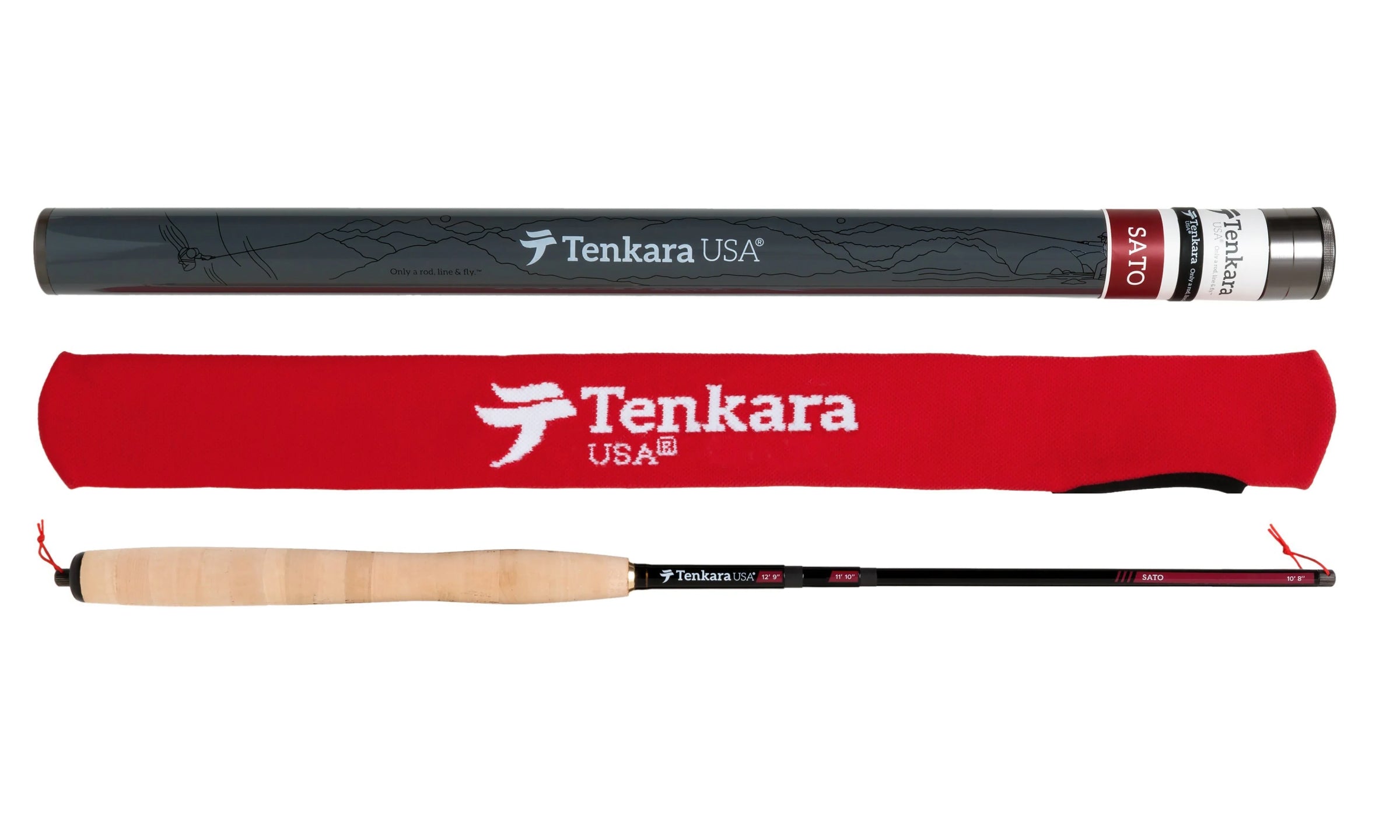
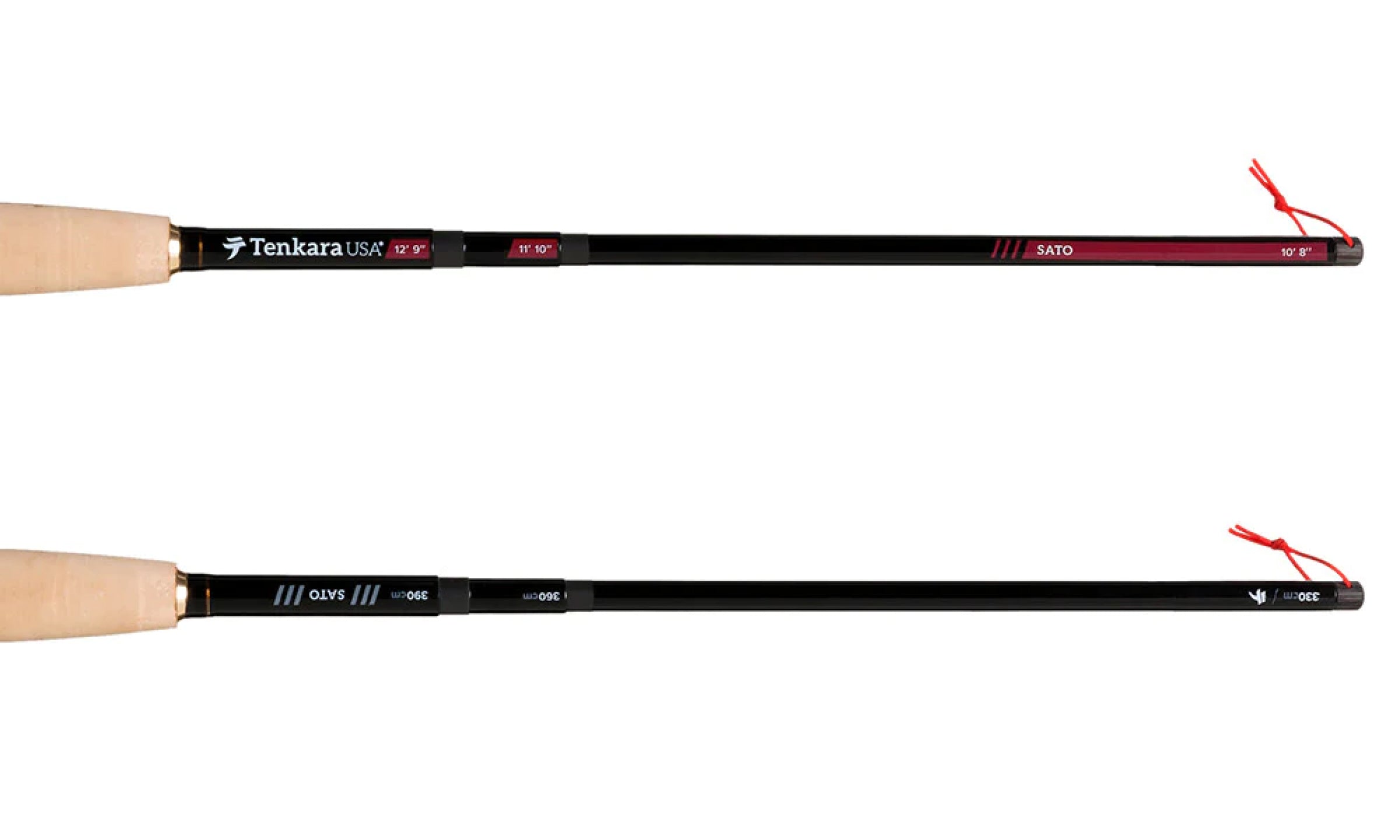
16:32So you, when I have friends that are, that want to try it out, I'll give them the 10 car rod or I'll show them how to use it. And that's actually how I got Laura into fishing. We were, you know, she'd watched me for years, like literally years, uh, and was kind of content to be on the sidelines. And then finally she's like, okay, I'll give it a try this time. And I knew, you know, line management and, you know, like the double holes and all that stuff was going to be, you know, really complicated and kind of needless for where we were fishing. Um, so I gave her, um, I think the, the Sato was, was the one, um, that we were using and it was during the salmon fly hatch on the, the shoots. just long enough to get into where the fish were and the fish were eating and um you know right away she she just got in the fish and was like whoa this this is cool yeah well you couldn't have picked a better occasion probably you know that's uh that's pretty dreamy right there yeah you have to pick your timing if you want to get your partner yeah you know that's a great tip actually i uh and one that maybe i overlook sometimes i'll introduce a lot of people to fly fishing, of course, through Tenkara. But often it's more like working around our schedules. And I think timing might be, you know, it's a huge thing. Yeah, I feel like you have to set them up for success. Absolutely. That's a great tip right there. And I was going to ask you about, I'm going to ask a little bit more specific in terms of tips. But so it sounds like from what I follow you on Facebook and social media, and you just mentioned as well, sometimes you carry waders uh sometimes not i mean what do you because bike fishing you know we're somewhat you can be a little bit limited in what you can carry or you can start adding a ton of panniers and kind of things uh so tell me what does your rig look like what do you carry with you and do you have a bunch of bags yeah like um i give a couple of presentations on this to people that are interested and i tell them you know it can be as simple or as complicated as you want to make it um yeah sometimes uh you know when we were living in oregon i'd actually go fishing for for steelhead so i'd carry it you know it's winter so i'd carry the waders and boots and everything but now like during the summer generally i tell people they can wet wade you know and they don't have to get boots uh we found that you could get some crocs um which are super lightweight and depending on the river surface uh how slick the rocks are it might you know it might be all you need uh if it's really cold and i you know suggest getting like some neoprene booties and combine that with the crocs and you're generally good to go um you know or you know like uh we had a friend that came out the other day and he had his bedrock sandals and he was perfectly content just you know you know following me through the river uh wearing that uh so generally you know it's it's it's more fun to do as a beginner if you're not super into fishing like when the the weather's nicer and you can wet wade um so that's usually what i'll i'll suggest to people yeah because that's the times that i've done my bike fishing really has been a couple of times taking my road bike for a longer kind of ride around boulder and i can hit a couple of creeks with the road bike and i'll usually bring crocs with me or some super lightweight shoes in a small backpack and kind of get out of the cleats and a couple of times i've done some mountain biking trails that have taken me to streams uh but i never carry much and uh right no and that's kind of my take but you of course you mentioned that the steelhead but i think i saw something on facebook the other day you having like some huge cargo on a new bike or something so so do you usually have like panniers when you want to carry a little bit extra stuff how do you kind of hang or do you carry in a backpack how do you describe that to us yeah i did a trip just a modern like bike packing bike they've got uh these mini racks that go on the forks i've called anything cages and some bikes have the dedicated mounts like it's a three bolt mount and i what i'll actually do if i'm taking boots is i'll put the one boot on each fork and use a like a belay strap to hold it in place so it gets nice and tight in there it's yeah yeah flopping Um, just, you know, bunch up the laces, put them inside.
20:54Um, if I've got booties and I'll put it inside the, uh, uh, the boot itself and strap it down to each fork. Uh, if I want to carry waders, uh, there's this product called the anything cradle by salsa or any like kind of bike packing style cradle. Um, that's meant to carry dry bag. It also carry waders. You just kind of roll it up. So it kind of fits those dimensions and then strap it down to your handlebar. and um and you know in that way you know you can carry you know waders and and boots if if you want um right now we're testing uh this off-road uh bicycle trailer it's made by burley it's actually called the coho oh okay yeah and when they showed it at inner bike a couple years ago they had a big like i think it was like a spay rod like connected to the back and what's unique about this trailer is it's got suspension and it's also got um the ability to run a fatter tire so a three inch wide tire so it's meant for off-road and with something like this i could i was trying to see how much fishing gear i could put in there i could put in like four pairs of boots you know rods waders and still have room to spare so that's definitely like overkill for most places well we should probably mention to the listeners here that uh you know russ you kind of have a you know your business, if you will, revolves around biking.
22:11So you geek out and you review products and you're going to test out a lot of different things. But just to let our listeners know, there's probably simpler ways to do it. They can probably have a basket on the front of their bike and carry everything. Yeah, baskets. Baskets, another great way. You know, there's a US basket maker. They've been making baskets forever. And like the Wald 137 specific model, you know, I'll put, you know, my boots in there. roll up some waders and just put a bungee, like a bungee cargo net over the top. Keep it from flying out or something. Yeah. Yeah. And that's a super simple solution. I think like that basket costs about 20 bucks. Nice. Okay. Yeah. And that's, that's kind of like the cheapest, most functional way to do it. You don't have to get like the fork specific mounts and everything. And what about other activities besides biking? Actually, before we go into that, paint me a little bit of a picture. Like when you're in Montana, when you're home, it sounds like you have a stream a block and a half from you.
23:13So you're probably not biking there, right? No, there I'll walk. Although there is like some trails that, you know, it goes into the wilderness. So there's actually a whole trail system. I can follow it up into the mountains. In that case, I'll bring a bike with me to explore the upper stretches. Would you be using like a mountain bike for something around your home there? Or is it like more of a cross bike? Yeah, like a cross bike, a mountain bike in the upper, upper areas. It gets really rocky. I also have the option of fishing the Clark Fork in downtown Missoula. So there I could just take the road bike and go downhill five minutes and fish a bigger river. So there's options. Yeah, no, it sounds like there's a ton of options. And do you do other things with fishing or is it either fishing or bike fishing or do you ever go backpacking? We were actually before we moved here, we were training for the flyathlon.
24:14Oh, that's coming up next week. Actually, I'm going to be joining not as a runner, but yeah. Yeah, I'd gotten in. We had gotten into trail running and, you know, we're looking for, you know, kind of goofy event because we were not very like serious. you know we're not serious cyclists we're not serious runners we we enjoy it uh but we're not you know we have no aspirations to be like performance athletes we're always looking for for interesting uh events and yeah the flyathlon i think they have a couple in colorado one in iowa so we started training for that and unfortunately we we couldn't we signed up you know um got the plane tickets but we couldn't make it at the last minute because we're uh ended up getting this job here in missoula and we had to move like you know the week before i remember that yeah yeah so we canceled uh those plans uh but it is something you know that we want to do more in the future and that what's cool here in missoula there's this you know the ralston creek uh is a river is a little creek that runs behind my place and it goes into the wilderness and you can actually ride your bike to the wilderness boundary ditch your bike and then go into trail run five five miles up and then fish some lakes and then come back so we were joking about doing like the missoula triathlon or you yeah like a trail run and then fish and then go back wow yeah they'll take uh some commitment uh but yeah it sounds like you'll be uh right up your alley if you're enjoying biking and running it's yeah yeah i've been able to get into biking i have not been able to get into running but i'm looking forward to checking out the flyathlon next week actually I'm just going to go to demo Tenkara Rods and just kind of probably create some videos on it and that kind of thing.
26:00But, yeah, I'd love to see you guys joining on one of the next ones here in Colorado or something or Idaho. I think it's a cool event. I mean, I think it's, you know, there's got to be more things like that. I know in the biking space, there's been a couple of fly shops I know that have done fly fishing for bike packers. Oh, yeah. Which shops have done that? I haven't really heard them coming from fly fishing. There's one, I forget the name. They're in Teton Valley. It's like World of Casting or something. All right. We'll check them out. Yeah, like I haven't, you know, I've been kind of noticing the fly fishing industry seems to be a little reluctant to embrace other activities, which is where I think Tenkara Yosei tends to sometimes run against them a little bit. You know, where we're kind of saying like, hey, it's okay to, you know, do other activities too, where in my experience the fly shops just want people to fly fish right well that's that's that's like bike shops too you know they're very much like okay you want to be you know you go in there the typical bike shop is like oh so you want to you know learn how to ride fast like that's like the default that's like the default uh assumption it's kind of i guess like going to fly shop oh you just want to catch big fish all the time that's all you want to do um but we've seen uh Bike shops kind of embrace the idea of, you know, combining with other activities and being more than a purveyor of bicycling goods, but other like lifestyle things and kind of encouraging these other activities.
27:30Yeah, I feel like when, you know, like having gone to old school bike shops and old school fly shops, they're very similar. Yeah. Are they equally intimidating to people? You get the same like kind of older curmudgeon-y guy. And, you know, as a new person to either sport, you feel like you're being judged. Oh, big time. Not worthy of being in the shop. Yeah, yeah, no, big time. Even after fly fishing for, you know, I don't know, 17 years or something. You know, I still feel the same way. And I usually run away from the shop when I'm treated that way. and it's totally what i what i dislike about both activities and what you know through our content on on the through the pathless felt stuff that we try to break down it's like yes you know there are some people that take both things very seriously but you don't have to do that you know that's not necessarily what you have to aspire to uh i can just incorporate into daily life and have fun with it well that's what i love about the vibe that you guys have you know the pathless paddle and i think i feel like it jives really well with us it's uh you know like not trying to take it too seriously and trying to make it a little bit more accessible and in the air like you know oftentimes we may you know sometimes some people might see us kind of geeking out and talking about philosophies in different ways and think that we are um you know i think i do say we're kind of saying um taking it too seriously but in reality it's like you know you know but we're all kind of sharing stories and sharing content and it's but at the same time trying to make it more accessible um yeah to people yeah and that's definitely um the voice that we've always taken with our stuff um you know we don't proclaim to be experts you know we're just like everybody else we like to have fun and experiment uh we can get nerdy but you know at the end of the day it's just about enjoying the experience yeah and uh so tell for our listeners that want to learn a little bit more about bike fishing of course they can go to pathlesspaddle.com.
29:28Have you guys done a lot of blog posts? I feel like I haven't really been reading blogs a ton. I've been more on a social media front, reading things. We've been really active on YouTube. We've been putting a lot of eggs in that basket, making kind of unique bikey content that's not focused on sports. Most of the largest channels on YouTube around cycling are are either about road racing or extreme mountain biking, but not like the everyday adventure. If you guys visit our channel, we'll have lots of bike reviews, gear reviews, and we have a whole playlist on bike fishing. Awesome. On different bike fishing trips, on tips, both Tanqara and Western, and what we carry when we wade. I've been sprinkling those things onto the channel just to give people a point of entry. yeah I've been watching the the YouTube channel kind of keeping an eye on it and you guys are doing a great job with video content and I'll make sure to you know for our listeners that you know have the our podcast page bookmarked you know I'll make sure to post links to your YouTube channel and your blog and that kind of thing so people can find it at tenkarausa.com forward slash podcast on this podcast episode page yeah so that's it that that is I'm glad you reminded me of the youtube channel because you guys have been doing a ton of good work there yeah so you'll see like the earliest videos like really rough and slightly more polished yeah nice um excellent anything else you want to share with our listeners in terms of bike fishing um um i think it's you know i can't since i started the hashtag three years ago i've like it's the next big thing but i've been saying that about tenkara for the last uh what 10 years but i i do think like it's starting to hit a critical mass like our friends that uh you know different bag makers that we know or have made like fishing bike fishing specific bags and i think that's when you know that it's like oh okay it's it's becoming more than like this fringe thing that your path less pedal talks about to to other there's enough of an interest um you know that people want to try it and also like i said you know different fly shops have been doing uh bike fishing events um i know uh one uh one bike tour that has a it's going to have a guided fishing element to it which is kind of cool um so it's you know here and there i think it'll ultimately still be you know a small niche thing but i think you know people will it won't be so strange to bring a fly rod with you when you go on a bike tour in a couple years i had never done before but 20 years it's kind of like a reset button you know let's hit and um you know he took his mountain bike for a little spin and uh he's excited to try a little bit of bike fishing too so uh you know it's definitely at least in part thanks to the pathless paddle cool good to yeah and uh for those that are intimidated you know just based on a conversation with tj too i think a lot of times people are intimidated in the beginning they don't know where to start and you know he and i were having a conversation about uh backpacking you know which can also be a little intimidating what gear do i use uh but you know think about it i usually like to think about it in this way it's uh you know you probably know how to bike even if you don't bike well you don't have too much strength you know it's like if you know how to ride a bicycle all you have to do is carry a little rod in your backpack and go to a body of water whether it's a pond or a stream and you're just combining the two activities in a fun way it doesn't have to be a big ordeal it doesn't have to be a big adventure you can be you know like from our house here 10 minute ride gets us to a pond uh and uh catch some fish so yeah yeah i definitely always you know in our on our kind of the big the beginner in mind because like although we've been you know bike touring for a long time i still remember like the early days you know that was before like this big explosion and you know bike packing and everything there was very little information and i'd go in the bike shop and i'd tell people i want to put you know bags on my bike and they'd give me this sideways look and like why you can't go fast then and now it's a thing so like but but But my very early formative years, I still remember all that judgment and how difficult it was to find good information that was kind of conveyed in an accessible way.
34:09So that's definitely the goal of everything that we do on our channel and our website and all our social stuff. Excellent. We are well aligned on that. And Russ, I want to thank you so much for taking the time to talk to me about bike fishing. I'm going to make sure to put some links on our podcast page and people can connect with you guys on social media, via your blog and that kind of thing. I'm assuming all the people can find you on diverse, you know, social media platforms with paths last paddled. Yeah. On the Instagrams, the Twitters, the Facebooks. Not Snapchat though. Yeah. I think that's that, that one is probably kind of a scene. It's days already. I think bike fishing is here to stay for what I'm hearing. Snapchat, not so much. Not many people using that. Excellent. Thanks so much for making the time and talking to me. I really appreciate that. Hopefully you and I will get to fish together. We tried to do it last year right before you guys moved to Missoula. Yeah, sure.
35:11We've got to get together and fish. Cool. Thanks for having me on the show. It was a big honor and pleasure. I still remember when you started the company. I was really stoked that you were willing to send this stuff from the very beginning. So it's been fun to track your progress over the years as well. Absolutely. Let me know how else you can support bike fishing. I'm a big fan of the hashtag and what you guys are doing. Thanks. Hey, thanks again, Russ, for making the time to talk to us about bike fishing. I think bike fishing and Tancada just go hand in hand like not many other things combined. So I appreciate you shedding some light on the bike fishing movement that you've helped create. And now I'm going to be talking to Bart Lombardo from the Central Jersey Trout Unlimited group. Bart is actually, as I learned today, the current president of TU at the Central Jersey chapter and has been involved with them for quite a long time, over a decade. And let's hear what he has to say about the issues and challenges and projects happening at Trout Unlimited in New Jersey. Hey, Bart, welcome back to the Tenkara Cast. I appreciate you joining me again.
36:20And today we're going to be talking about TU in New Jersey, huh? Yes. Well, thank you, first off, for inviting me back. I thoroughly enjoyed the first time I was on the podcast, and I'm looking forward to this evening's discussion. Yeah. Well, unfortunately, we're not meeting in person this time. Last time was pretty fun just to kind of hang out and drink the wine that you guys made at home. So that was pretty fun. Yeah, well, this evening I got a glass of some very expensive cognac that my father-in-law just dropped off. So I filled up my glass before they left. They just walked out the door a few minutes ago. So I got it taken care of on my end. I'm staying sober. I'm drinking water and actually coconut water too because if I drink a drop of alcohol right now, I'm going to pass out. I'm so tired. Yeah, it's been kind of a long, intense couple of weeks here. But in any case, so tell me, a lot of people don't really think of New Jersey.
37:22They don't really think of fly fishing or trout, you know, when they think of New Jersey. Can you, before we kind of talk about TU's work and what you do with them or did with them, can you tell us just a little bit about how the trout fishing is in Jersey? Yeah, absolutely. Yeah, New Jersey is one of those states where if you're in the Northeast, when you think of New Jersey, you think of the view driving up and down the turnpike. You're looking at all these industrial complexes and factories and refineries. And that part of New Jersey is actually just a very thin corridor. A very large part of the state is, it's a pretty wild place. The northern part of the state, we have, I won't call them mountains, but they are some pretty sizable hills, up 15,000 feet, 2,000 foot. So we do have a hilly region in the northern part of the state. The southern part of the state, there's a huge expanse of, actually I'll call it wilderness, called the Pine Barrens, and that's over a million acres of wild land.
38:27Not exactly trout country down in the southern part of the state because of water temperature issues, but in the northern part of the state, we do have a surprising number of wild trout streams. Now, those trout streams are typically very small watersheds, but there are a very large number of small wild trout streams. And we do have four or five, maybe a half a dozen larger rivers that are capable of supporting trout year round. And we'll be talking in detail about one of those rivers this evening. Yeah, cool. So how far do you have to drive to go fishing for trout? Where I'm located in the center of the state, my nearest quality year-round trout stream is about an hour and 10-minute ride, about 55 miles from my front door. Perfect. And of course, we're talking a little bit of trout because we're going to be talking about Trout Unlimited's projects. But some of our listeners may remember that you're the guy from penfishonthefly.com.
39:32Yes, and the reason that my whole interest in warm water fishing was sparked is because of the type of trout fishing that we have here in New Jersey. Although we do have a number of watersheds that will support these fish year-round, their conditions, the water conditions during the summer are marginal at best. And a lot of times, even though the fish are in the rivers and they're feeding, just the stress of hooking, even if your intention is to release these fish, the hooking and the fighting of the fish is often fatal to these fish once those water temperatures reach 70 degrees. And we quite often see those temperature spikes during the heat of summer, which is really the time that we're going through right now. So it's always a good idea to give those fish a break during the summer months. And that's why I turn my attention to warm water fishing and particularly my favorite, panfish. Excellent. So you saw that now I'm doing the TU segments of the Tenkara Cast.
40:37And then you reached out saying that you are very involved. And that's partly how I know you and your friend Lou as well. because every time we've done the New Jersey show, you guys are volunteering a TU chapter. What is the name of the chapter? Remind me again, please. So both myself and Lou DeGena, who you referred to, we are members of the Central New Jersey Trout Unlimited. And can you tell me what your involvement with TU has been over the years? Well, as of last night, I am now once again president of CJTU. This will be my fourth run as president of the chapter. I had a very long run as chapter president, almost a decade. And I have come back several times as a fill-in for, as we lost members from the board, lost our officers. And it just so happens that our current president resigned yesterday. yesterday so as of about nine o'clock last night i am once again the uh president of central jersey drought unlimited well i guess that's a congratulations then right well i don't know it's a lot of work right at this point yeah well i'm sure you'll do uh well are you planning to be on uh as president for a while since you've served so many times or are you uh i'll um you know my My goal as president is obviously to fulfill all the needs of the chapter, but one of the most important roles as president is to find and bring a successor up to speed.
42:14So that's going to be a big concentration of mine in the months to come. Perfect. All right. Why don't we dig in and let's hear what are the big issues going on in Jersey that TU is usually involved with? Well, I guess one of the largest issues is the water quality issue. And that's probably one of the biggest areas across the country, regardless of what state you're in. And in New Jersey, we have some unique challenges because of the fact that although we do have trout water that will produce fish and support fish year round, there are really a lot of these watersheds, they're right on the brink. You know, it could go either way if conditions go south in the river. So we're working real hard to, you know, keep these waters in the best possible shape. A lot of New Jersey's trout fishing is put and take hatchery supported waters. And even the larger river that I'm going to talk about this evening, it is primarily a put and take watershed.
43:23And that's the Musconetgon River. And that is really the home river of Central Jersey Trout Unlimited. That's where we focus the majority of our work on. But it just happens to be that it is one of the highest water quality rivers in the state, and it still contains populations of the wild original eastern strain of brook trout that was at one time the only trout, or actually in this case, char species that was present in New Jersey before the era of stocking. so the fact that these fish are still in the river or primarily a lot of cases in the tributaries of this river we focus a lot of our attention in trying to keep this river in the best shape as possible oh excellent so they are the main and remind me again the name of the river it's the muskinecon river there are again as i said there's four or five rivers in the state you have the south branch of the raritan the pequest river the muskineck on the palm skill these are are larger rivers uh the flatbrook river is another one and and those five those five rivers are streams as they would be in most most larger states um they will support fish year round most of our as i mentioned earlier most of our wild trout streams are very small streams the kind of stream that You can, in a lot of places, put one foot on one bank and one foot on the other and straddle them.
44:55They're very small watersheds. So now is the water quality issue seems to be the main kind of issue that you guys face. Is that caused by anything in particular? What threatens those rivers that you guys work on? Well, in the case of our larger streams, the biggest challenge is, you know, it's agricultural use that borders the rivers themselves, as well as the drain of agricultural use on the water itself, taking water out of the system. And development, development on or near the river, be it whether it's residential development, commercial development, all those issues really are things that we have to watch very closely and how they affect the water quality. Because of the fact that these rivers do run so close to the margins during the warmer weather, a lot of our work is done to actually improve the trout habitat, try and undo some of the damage that was created by these longstanding agricultural practices, and restore the rivers to a more natural condition so they can support the fish and the insect life better than they were previous.
46:16Yeah, there's been a few studies that I've seen. Like one of them was actually a really cool movie. I'll try to put a link on this podcast page. It was called River Webs. And it just talks about the relationship of the forests and the rivers and the trout, you know, because you need a good amount of tree coverage to kind of provide insects and that kind of thing. And that's usually what I would imagine creates a lot of the problems with water temperatures and water quality when you remove the riparian forests around the streams. Is that kind of something that you guys see a lot of? Yeah, and that's exactly the issues that we're faced with and some of the stuff that we're trying to correct. For example, two of our most recent projects on the Musconetgon River actually involved relatively short sections of stream. In one case, it was, I think, a little over 300 yards of stream. And the last one, I think, was right around 1,200 feet as well.
47:17And basically, we were focusing on sections of the river that were, in other words, ideal habitat. But for one reason or another, be it from past agricultural use or flood control measures that were enacted, the natural characteristics of the river were removed and the river was channelized and basically featureless for these significant distances. And then upstream and downstream of these locations, the river was in a more natural state. So what we did to correct this, these projects were pretty involved. And I could talk a little bit about the last project that we just completed. And the first project was practically a mirror image of what we did recently. We did two projects on the Muskanekon River. The first one that we completed a couple years ago. When I say we, it's not just Trout Unlimited. It's multiple chapters of Trout Unlimited, as well as other organizations, other watershed organizations.
48:24For example, in the case of the Musconetcon River, we work very closely with the Musconetcon Watershed Association, which is basically another nonprofit group that their prime focus is the overall health of the entire river system. So they do a lot of good work on the river as well. But what we did in these sections was really the rivers underwent a major reconstruction where we got into the river. And it kind of when people see the work going on, you know, they wonder what we're doing because we're in the river with heavy equipment. big earth moving machines and we're we're moving boulders and we're realigning you know re-establishing banks and dredging out holes and basically what we're doing is restoring a lot of the natural characteristics the the riffles the runs the pools the point bars all of these features that occur in a natural untouched river all these features were removed for one reason or another be it agricultural usage or channelization to try and minimize the effects of flooding.
49:38We go back in there, we narrow the river channels, and we reestablish the riffle pool run sequences in the pool, putting point bars back in, replanting those bars with the riparian vegetation, and basically restoring that stream to a natural condition. And the results have been phenomenal. The work that we see before and after and how the river responds is truly amazing. The first project we did on the Point Mountain Track, which is actually a special regulation piece of trout water. It's what we call a trout conservation stretch. And there's special angling regulations in effect for that particular body of water. anglers. It's basically catch and release with the exception of the fact that an angler can keep one fish over 15 inches if they choose. They can fish with spinning or fly gear, but it is artificials only. So there are some restrictions placed on the river, but those restrictions really help the overall fishery. And when we completed that work within an hour of getting the machinery out of the river, an angler had walked in and was fishing and actually caught fish in water that we had literally just reconstructed and as little as an hour previous it was pretty amazing that the fish had moved back into this water and were responding wow that's incredible yeah it's not the type of result you usually see right away so that's really yeah it was quite surprising and the work that we just completed was once again on the muscanet river and both these sections are public waters this work is also being done on a lot of private tracks as well but this is what was a second public track that we uh we worked on this past early summer we actually started at the end of june and beginning to end the projects only last four or five days and we're we're out of the river and you you wouldn't even know that we were there so the second project was on what's called the a-frame track and it is a uh a section They get about 1,200 feet of river that actually resides between two private fishing clubs.
51:52And both those clubs take pretty good care of their stream in their areas. But this track, again, it was one of these 1,200 foot long barren sections of river, very shallow, featureless, just like one giant shallow run. And by shallow, we're talking 12 inches to 18 inches deep. very poor habitat for fish very poor habitat for um invertebrates so it was uh we went in there and basically did the same kind of work we i believe i don't know if i'm misspeaking i think we created a total of seven pools in that stretch um at least that's what the original plan was i know that i think they may have done a little fit and field change um at the very end but they The original plan called for constructing a number of pools where there was none. These pools were deep enough to get down and get access to the groundwater, which actually cools the river down significantly.
52:53These are, for all practical purposes, big limestone streams that we're talking about, at least in the case of the Musconetgon River. and just the re-establishing of the natural characteristics of the river will do a lot to improve the habitat for the fish it now creates water that did not hold fish at any time of the year and created water that will hold fish 12 months out of the year and it'll vastly improve the insect life in the area as well nice great work so it sounds like you completed two major project project so is there any major things coming up the pipeline or you guys are starting to work on right now well all of our all the chapters and again we did work in conjunction with with other chapters on this and there's i believe we have 10 chapters in the state of new jersey you know we are a pretty densely populated uh state so and is there uh before i forget is there a new jersey tu like in colorado we have a colorado tu and a bunch of chapters within colorado is that how it's organized it is the same exact structure here in new jersey we have our njtu the state council and and then um there are in support of that there are 10 additional chapters so if you include the state chat the state council you know we're looking at 11 different chapters in a uh you know relatively small state but we are uh pretty high population density in here so So, you know, we do have probably a pretty good number of members.
54:23Offhand, I'm not sure exactly what our total is, but it's in the thousands. I know just the two top chapters. I think Central Jersey is the second largest chapter in the state, if I'm not mistaken. Between us and the largest chapter, it's probably well over 1,000 members just between those two chapters. Nice. So some of the stuff that we're currently involved in, I mean, we have a very robust Trout in a Classroom program here in the state that is supported by Trout Unlimited volunteers. All the TU chapters in the state run various education programs, such as fly tying classes, fly fishing and fly casting classes, just to introduce new people to the sport and hope to get them interested in protecting the environment these fish live in. And we also have, as far as central Jersey, we also focus on some of those small wild streams. We have a project underway right now on a tributary that must be called Anderson Brook.
55:25And actually, I think it's next week, we'll have folks from Fishing Game in the River doing a lecture sock survey to determine the fish, the trout species that are present in the brook. We're hoping to find some of these eastern strained brook trout in there, but we know for sure that there's definitely wild reproducing brown and rainbow trout in there. And the work that we'll be doing in that particular tributary, once we establish what species of fish are present, we'll get in there and we'll start doing some stream cleanup work, removing any debris that may be in the river, as well as bankside cleaning. There'll be some invasive species removal. We'll get in there and we'll do some bank repairs and planting. And if need be, if the results of the electroshocking study shows that we do have this wild strain, this original strain of brook trout in there, there may be additional measures taken to protect those fish and try and isolate them from the effects of stock fish.
56:38getting access to them. Well, it sounds like you guys have your hands full. I mean, as you said, it's a very populated state, you know, but there's a good amount of waters and it sounds like if more work gets done, there'll be more habitat for the trout and maybe even the water might get connected more with different rivers and, you know, different places that need it. So can you tell us what is the best way for somebody in New Jersey to get involved with either the New Jersey TU council or you know a local chapter do they where do they start yeah for for new jersey itself um an individual would join a local chapter now on the national tu site you can actually they have a chapter locating tool there where you can bring up a graphic overlay of the state of new jersey and it will show you exactly what chapter covers your geographic area as i mentioned before we have a total of 10 chapters in New Jersey. So if you're, you know, live in New Jersey, you can go to Trout Unlimited's main site, use their chapter locator tool, and you can find your chapter that is in your geographic area. Now, I'm a longstanding member of Central Jersey, Trout Unlimited. I've been a member for so long, I don't even recall how I associated myself with Central Jersey because they are not the geographic chapter that I would be assigned to if I used that tool. So you could join any chapter in the state if you like the work that one chapter is doing.
58:18Such in my case, I was always a fan of the work that was being done by Central Jersey. So I travel that little bit of extra distance to participate in that chapter's activities. And for the Jersey listeners who are listening right now, just to kind of give a little bit of geographical overview i i'm not super familiar with it but um what are a couple of the major cities that would be essentially part of the central jersey tu chapter the central jersey tu chapter starts in um the far northern edge of monmouth county probably or may actually this far northern kettin monmouth county or maybe the uh southern portion of middlesex county and runs a pretty wide swath, about equal dips on each side of the Raritan River. So towns, the largest cities in the area that would be covered in our area would be the Brunswick, North and South Brunswick, East Brunswick, Hunterdon County, towns like Bound Brook and Bridgewater.
59:25and we we have we've lost some uh some of our space over the years with new chapters forming for example the railway river chapter was once entirely within our um our area and there was enough interest for folks that didn't want to travel to our meetings that they started their their own chapter uh so we we lost a little bit of real estate there but we're still the the second largest chapter. And if you took a look at the map and you look right at the central part of the state, that's our area. That's where we're located. And again, our home river that we consider is the Musconacon River. That's actually a watershed that's not technically in our area. Because of the way our trout streams in New Jersey are, they're primarily all in the northern part of the state. We do have a few rivers in the southern part of the state that support trout. There's a of put and take fisheries in the southern part of the state but most of the trout production water and the water that will actually support fish year round they're located almost entirely north of route 78 which really falls outside of our area so we've adopted streams in that are technically in other chapters areas because that we need a place to do our work excellent well bart thank you so very much for joining me and kind of sharing some of the issues and projects and challenges that Trout Unlimited in New Jersey and Central TU might be working on.
1:00:56Hopefully, some newcomers to the sport will get involved. I think that's the main reason I wanted to do these conversations with TU members is getting all the people that are taking up fly fishing because of Tenkara to join their local TU chapter. So hopefully, some people come to meetings. they can log in to tu.org and just take a look at when the meetings are and what the chapter are. Yeah, and if anyone is interested in learning more about Central New Jersey Trout Unlimited, we have a very easy website. It's cjtu.org. So it's pretty easy to remember. We also have a presence on Facebook and Instagram under the same name. So we're pretty easy to find. And just as a side note, and you mentioned Tenkara, one of the things that now that I'm once again president, I'm going to be looking this year. We run a number of fly casting clinics, and there seems to be a growing interest in our area in Tenkara.
1:01:58We've done a number of presentations, both myself and Lou DeGena have provided presentations about Tenkara to TU chapters and other fishing organizations within the state. And there is a growing interest. So we are going to be adding, or my plans are to add a Tenkara class to our fly fishing education classes that we run. So I'm looking forward to doing that. Perfect. Another great opportunity for people to stop by and learn more about Tenkara too. So thanks for doing that. Well, it was a pleasure talking to you again, Burke. And if anybody's interested in that Panfish episode, you can find that at tenkarausa.com forward slash podcast. And that's also where the information from this episode, anything that we reference here that needs a link, I'll be make sure to post on the CJTU chapter or episode of the Tenkara Cast so thanks again for joining and making the time Daniel it's also always a pleasure and as always I'd like to especially thank Nick Ogawa Takenobu you can find his music at takenobumusic.com as well as our Spotify playlists.
1:03:18In Spotify, just look up Tenkara and you should find Tenkara tunes with a lot of Takenobu's music. You'll find any information referenced to this podcast at tenkarausa.com forward slash podcast. Just find the link to this podcast episode and you'll find any photos, links or other information referenced right there. This song is called Voyage Across the Sea by Takenobu. Thank you.
This transcript was generated automatically and may contain errors.
Keep listening
More from the Tenkara Cast
-
44 min
-
58 min
-
42 min
Ep. 58Conversations
Tenkara in Salt? A Conversation with Henry Barber + The River Network
With Henry Barber, Nicole Silk
1 hr 37 minEp. 53Japan Cast 2018
Japan Cast 2018: Ep.2, Hokkaido
30 minEp. 49Short Cast
Short Cast: Garbage
13 min
Mentioned in this episode
Shop the episode
Watch next
Related videos


JOIN OUR COMMUNITY
Welcome
Get tenkara tips, new videos and exclusive sales in your inbox.