

Beginner

Tenkara Cast / Episode 27 / Conversations
Conversations: Adam Trahan
Daniel and Adam Trahan trade stories about childhood cane-pole fishing, early online tenkara communities, a trip to Japan, and why tenkara's next level is personal rather than technical.
- 1 hr 15 min
- With Adam Trahan
Episode 27
0:00
-1:14:33
Also on
- Apple Podcasts
- SoundCloud
- RSS
- Download MP3
-
Link copied to clipboard
Daniel sits down with Adam Trahan, one of the early adopters of tenkara in the United States and the creator of tenkara-fisher.com and smallstreams.com. The two had fished together the previous summer before the Tenkara Summit, and the conversation is relaxed and wide-ranging.
They talk about how each of them came to tenkara, what it is like to run an online community, and Adam's trip to Japan to fish with Japanese anglers.
In this episode
- How Adam, then a bamboo fly rod maker who grew up cane-pole fishing in Tennessee, found tenkara while looking for a long bamboo rod taper.
- The shared appeal of tenkara as childhood simplicity combined with the elegance of fly fishing.
- The good and difficult sides of online communities, and why Adam screens who joins his forum.
- Why Adam values the wisdom of long-time masters over novelty, and the story of finally meeting Fujioka-san at the 2015 Tenkara Summit after about 18 years of correspondence.
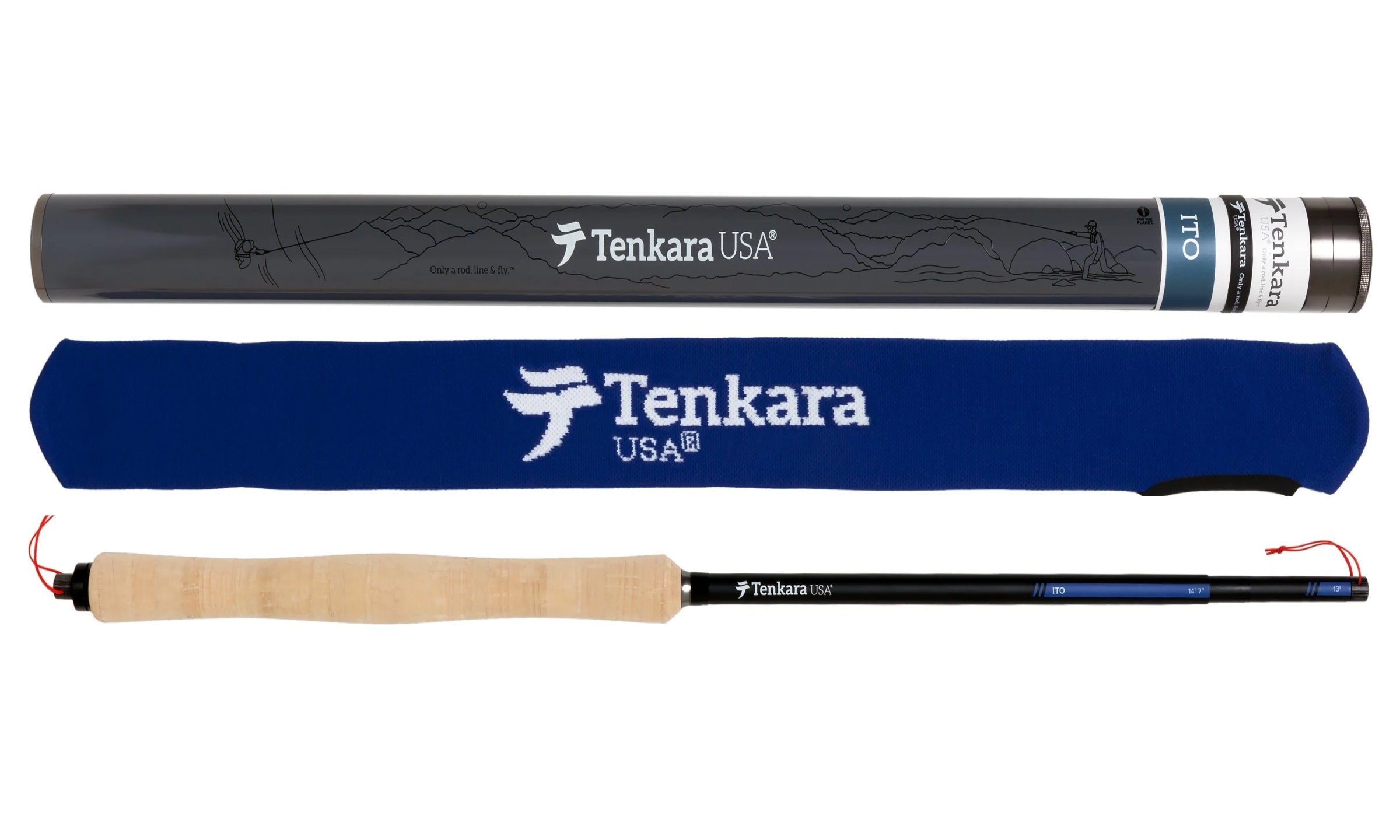
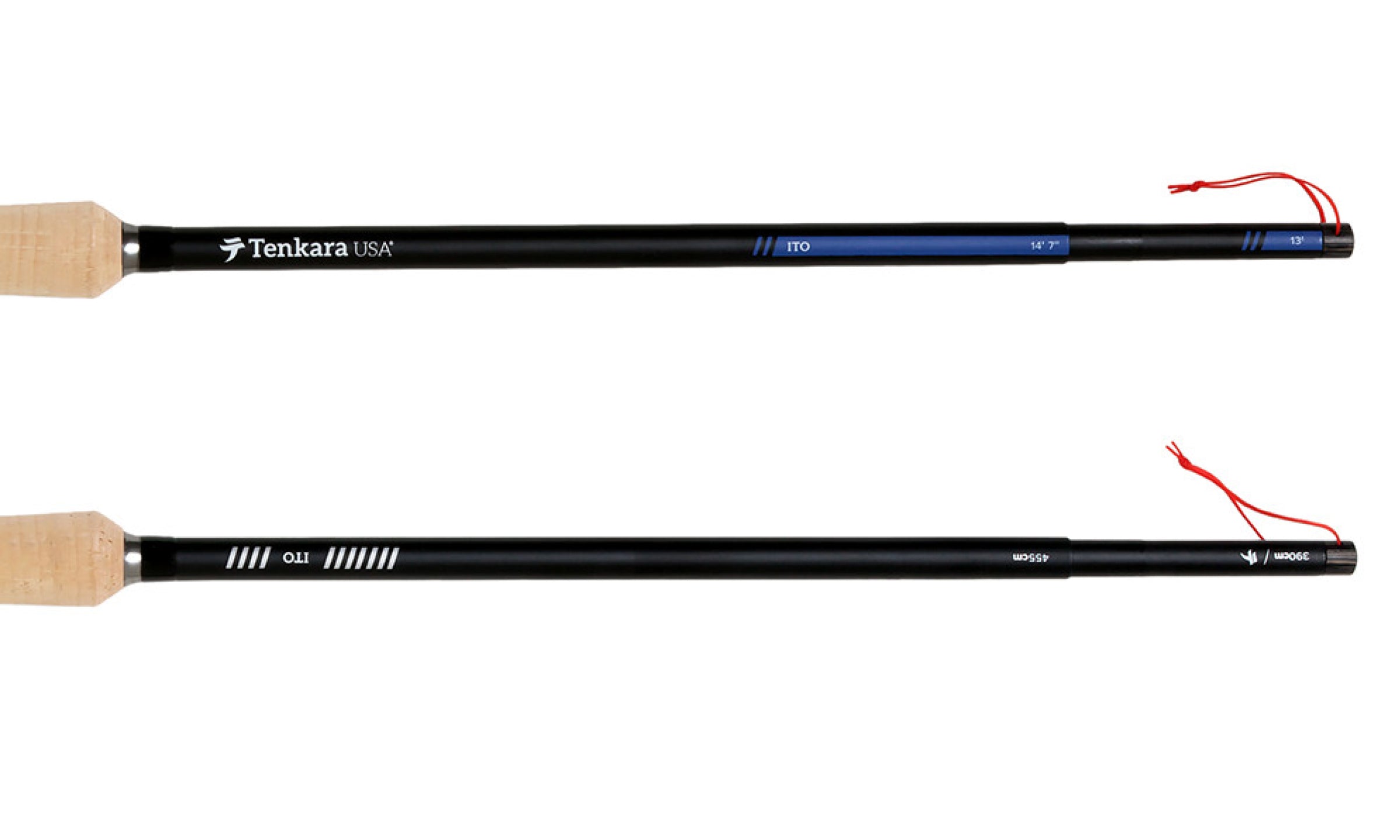
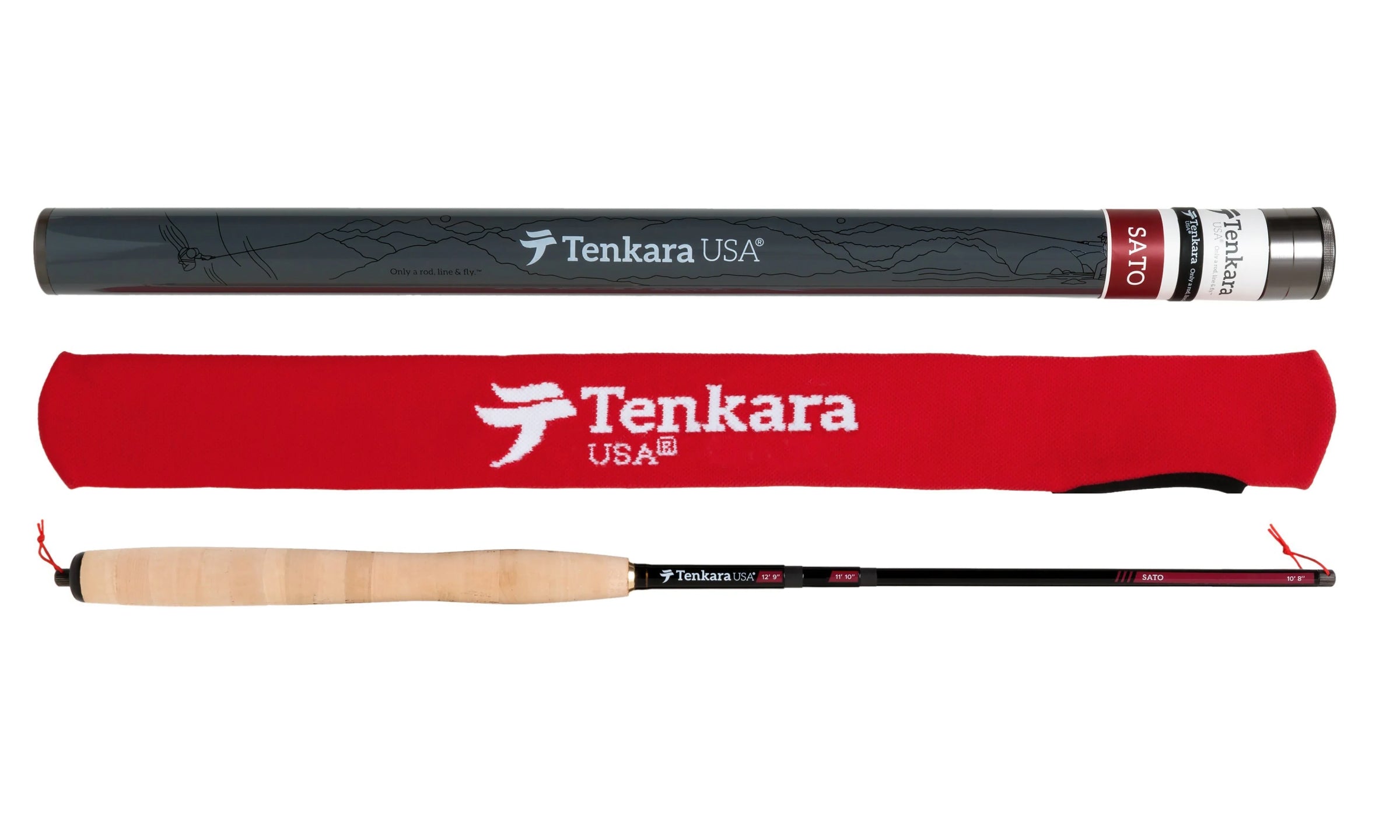
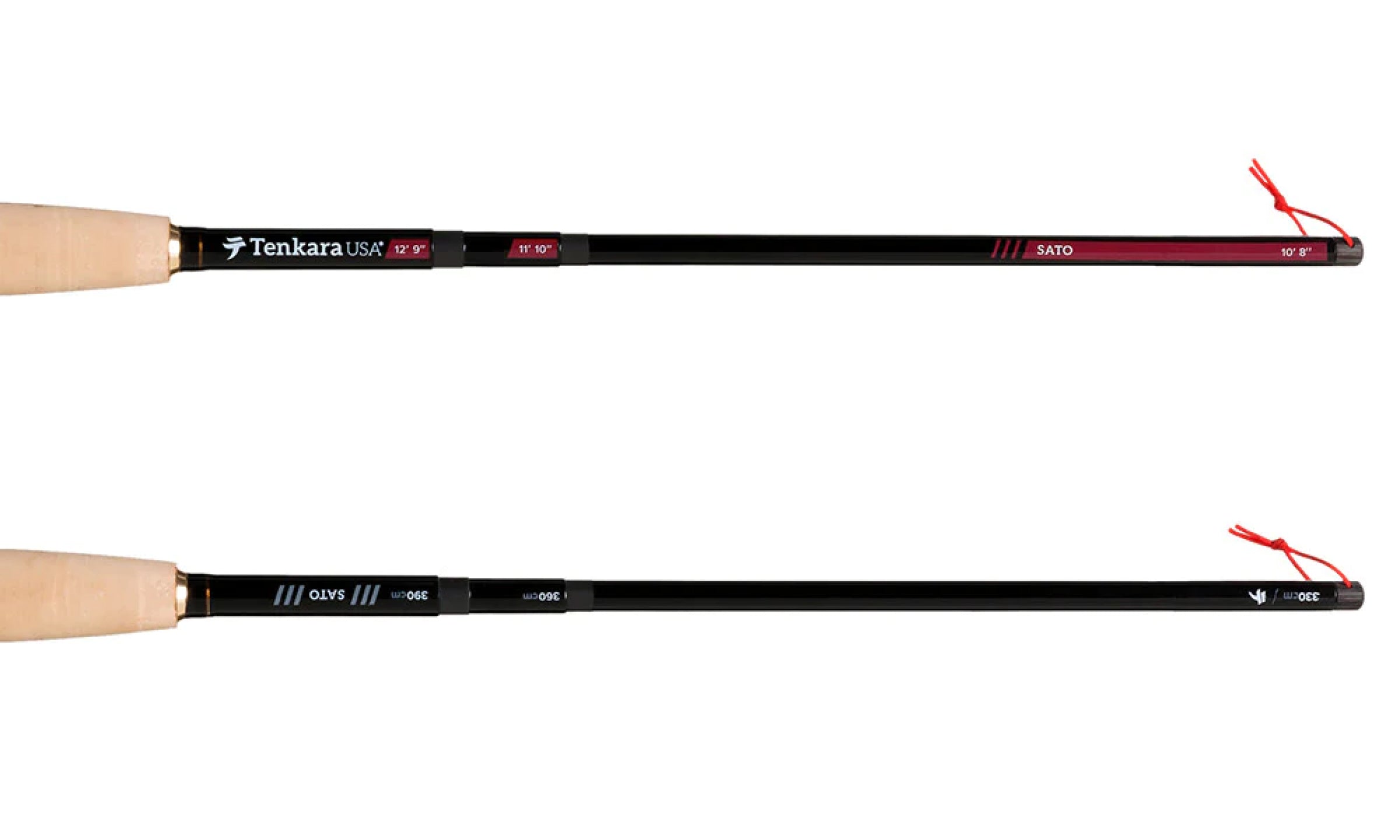
- Their simple systems: level lines, minimal fly choice, and a small quiver of rods built around the Rhodo, Sato and Ito.
- Daniel's view that tenkara has no technical next level. Versatility breeds simplicity, and the next level is the angler's own progression.
- Adam's visit to Japan, including being taught the sasoi technique on the Itoshiro river, and why fishing may be the third reason to go.
- Why tenkara appeals to anglers who have not been drawn to gear, including many women.
Mentioned in this episode
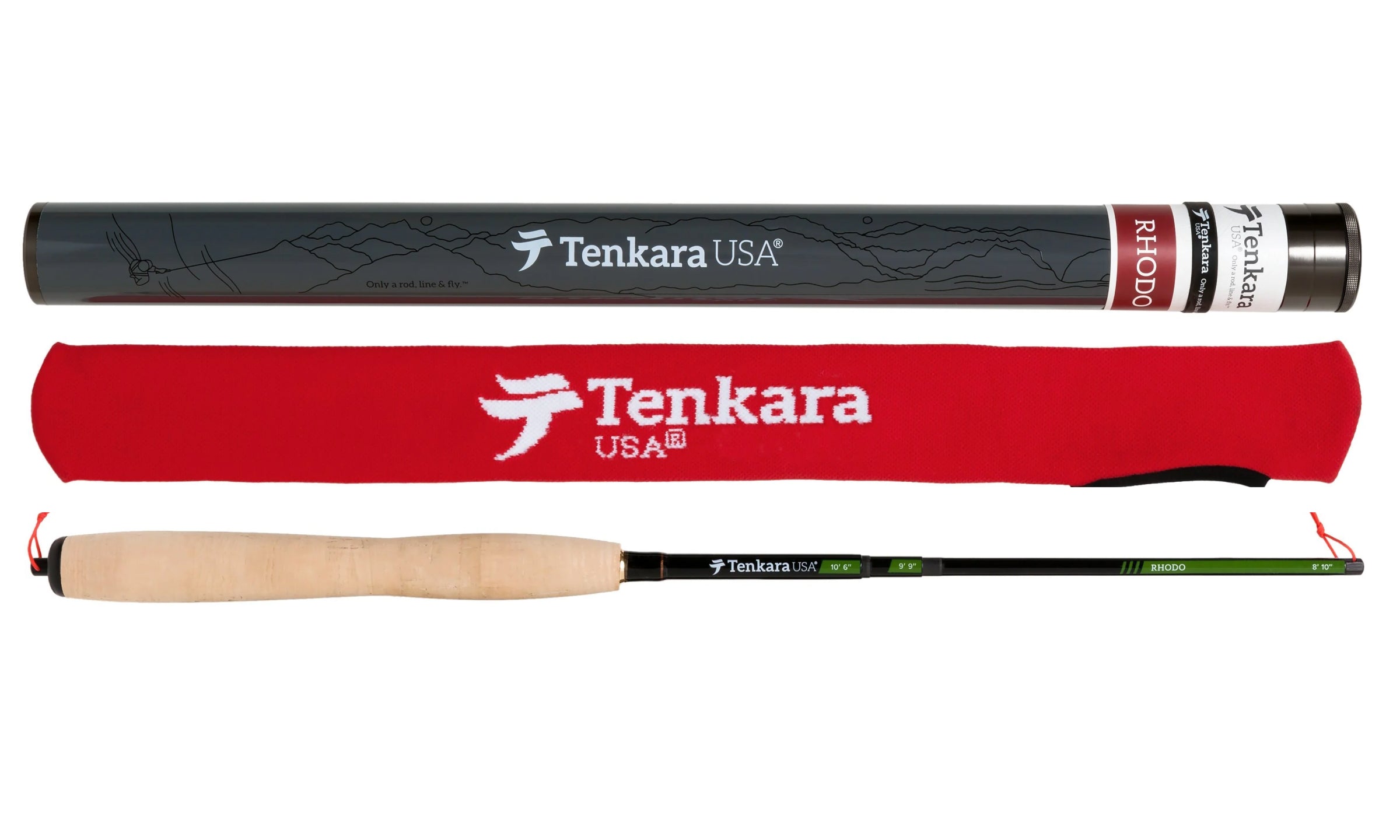
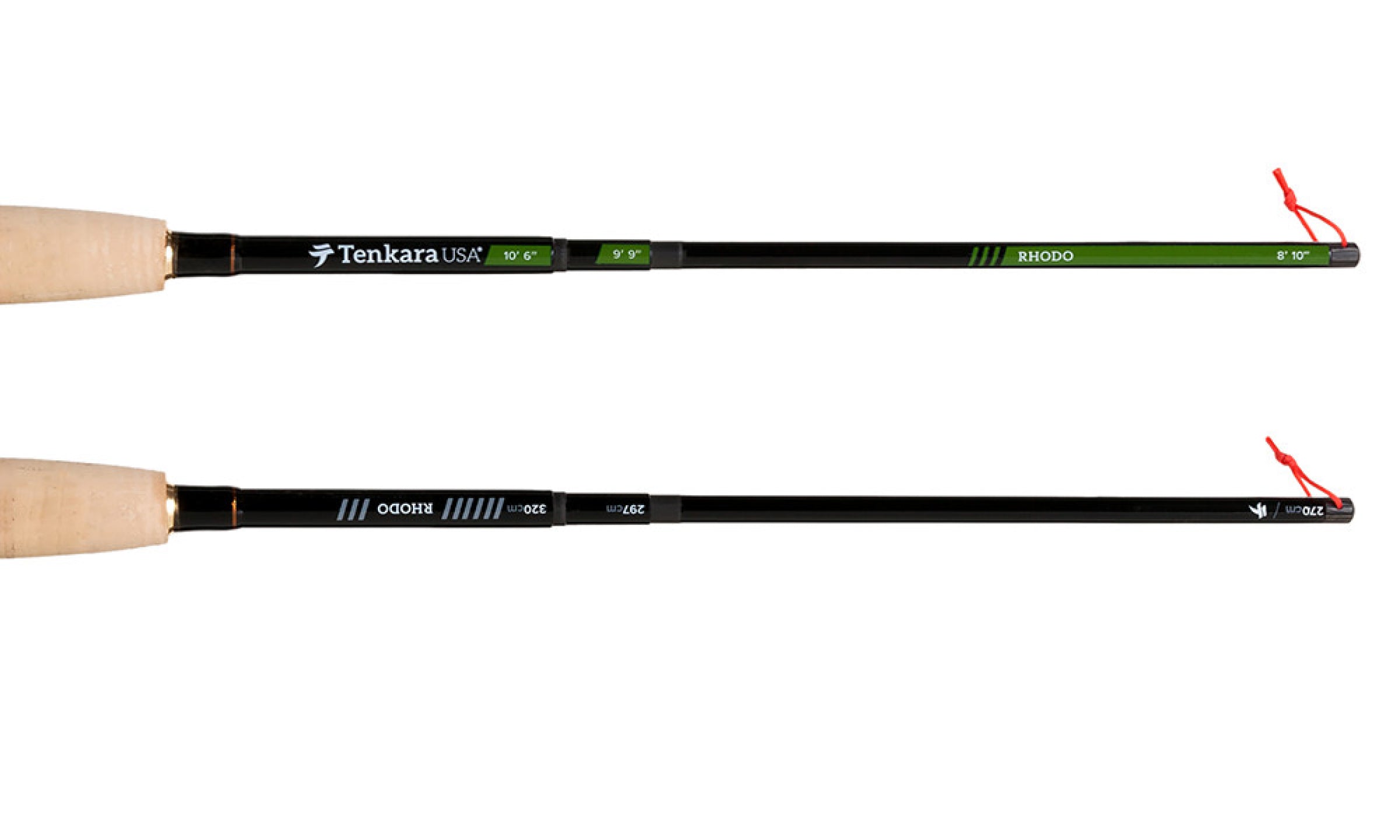
- ITO adjustable rod, SATO adjustable rod and RHODO adjustable rod
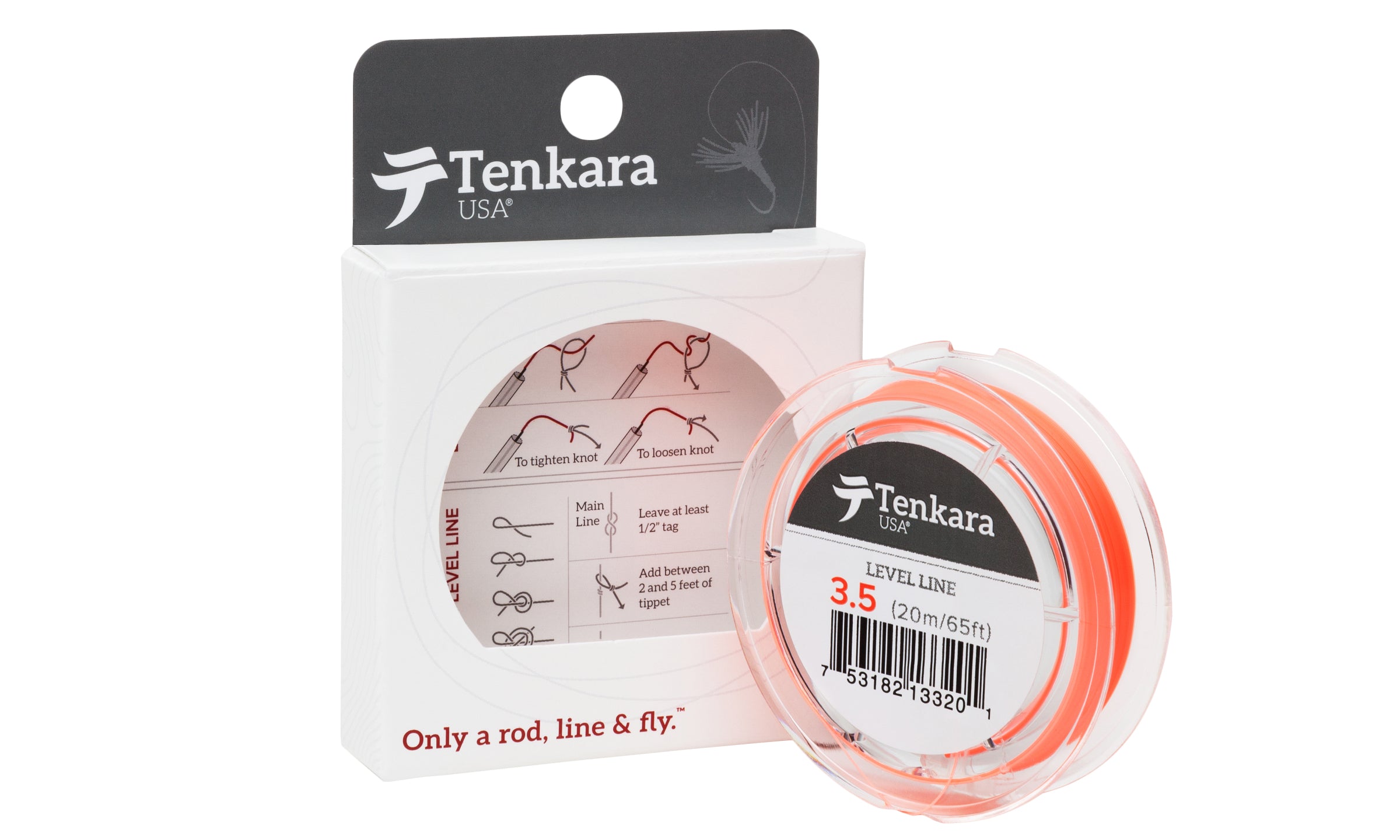
- Tenkara Level Line and Tenkara Magazine vol. 3
- Japanese anglers and writers including Sebata-san, Fujioka-san, Goishi-san, Dr. Ishigaki, Soseki-san, Yoshida-san, Satoshi Miwa and Sakakibara-san
Read the full transcript
0:00This is Daniel Galhardo and you're listening to the Tenkara Cast, a podcast about the simple Japanese method of fly-fishing, Tenkara. In the Tenkara Cast we'll be sharing information on techniques, history, philosophy, and Tenkara stories from anglers all over the world. This podcast is brought to you by Tenkara USA, introducing Tenkara outside of Japan since 2009. It's only possible we create content such as this podcast and videos because of your support. So we thank you so very much for purchasing Tenkara USA rods, lines, and flies. I hope you enjoy learning more about the simple method of fly fishing. Welcome to another episode of the Tenkara Cast. I'm absolutely excited to have a guest on the show today, Adam Trahan, one of the early adopters of Tenkara here in the U.S. Adam is a guy who has been fishing since almost the introduction of Tenkara here. He's also gone to Japan to learn from people directly from the source.
1:03And he and I also had the pleasure of fishing together this summer, right before the Tenkara Summit. And I wanted to sit down with Chad, or, you know, we're doing this over the internet, but I wanted to just kind of sit down and chat with Adam about all kinds of things Tenkara related. So this will be a nice, free-flowing conversation. And Adam, are you still there with me? I am. You sound good. Thanks. Perfect. Well, thanks so much for joining me today, for making some time. I have been looking forward to this conversation for some time, actually. I enjoyed talking to you. But why don't we just kind of start chatting a little bit about, you know, like we can talk a little bit about our stories or histories or your story in history and see where the conversation goes. But tell me, how did you get started into Tenkara? Well, I was making bamboo fly rods at the time.
2:04And, you know, I started out as a kid on our family farm ponds in Tennessee fishing a bamboo rod. And it's a whole piece of bamboo, a three-section. And I really enjoy that slow down type of, you know, cane pole fishing, what people call. And I was making these really nice bamboo fly rods. And I wanted to make a split cane version, sort of an adult version. And I started asking one of the people in a forum, I made a website for bamboo fly rod makers, and I wanted a taper or a recipe to make this 12-foot bamboo rod. and um tom smithwick uh talented bamboo fly rod maker uh suggested that i take a look at your website and subsequently um i got a hold of you and you got me into an abisu so tenkara was from you yeah yeah and i kind of remember a little bit of that like when you shared uh on our forum and i I think you might have even shared on our, you know, an interview that we did together for the blog.
3:28And you grew up cane pole fishing, right? Well, you know, that's kind of how I got started by my grandfather. I'm like many people. You know, he really wasn't much of a fisherman. But as a young boy, he wanted me to be exposed to, you know, all the things in the country that young boys do. Shooting BB guns and, you know, fishing and just goofing around. But, you know, quickly after that, you know, I got into bass fishing and around 10 years old fly fishing. I was taken to some streams in southern Utah by a friend's father and taught to use a fly rod for, you know, trout and small streams. So and then, you know, my my story with fishing is it's I've always fished my whole life. I do a lot of other things, but fishing is just sort of a celebration of, you know, being in the outdoors and I get to act like a kid again.
4:33And so cane pole fishing is just how I got started. And it kind of represents playful youth fishing to me. Yeah, I love what you just said about feeling like a kid again. I remember, I think it was Mr. A.G. Yamakawa, you know, like somebody put on our forum about, you know, being at a fishing show and somebody came to him and said, oh, Tenkara is just for kids or something. And Yamakawa's son said something to the effect of, you know, taking that as a compliment because fishing like a kid is a really, really good way to do it, you know. Right. I think people get a little serious about fishing, and there's nothing wrong with that. But really, that's the reason. It makes me feel young, and I enjoy it. And it's just this sense of being alive and in the outdoors and a lot of fun. So I think Yamakawa-san was pretty sharp to say that. Yeah, and I think it seems like you and I share some kind of background here.
5:35I mean, I grew up like you. My dad was getting me into fishing, you know, into spending time outside. And, you know, most people probably know I was born and raised in Brazil. And I grew up doing a lot of cane pole fishing as a kid. And, you know, originally I was with a cane pole and then eventually telescoping kind of crappy poles. And then I got into the bass fishing and other kind of fishing as well. Eventually discovered fly fishing. but the one thing that I think from the beginning attracted me to Tenkara was how obviously it was combining that that simplicity of my childhood kind of fishing with the elegance of fly fishing that I had come to discover when I was a teenager and just to me it was just the best of both words I think. Yeah. Yeah. You know, I, I truly think that, uh, Tenkara is fly fishing. It's just an, it's a, it's a different type, but it is in that genre. And, you know, I like what you said about it. It's, uh, it's an elegance, a simple elegance. Yeah. And, you know, talking about, you know, Tenkara is fly fishing. I think, uh, you know, it's been a long time since we had to talk about whether it's fly fishing or not i think it's it's fun to see that it's become more generally accepted but you've seen you know a lot because you were very active from early on in tenkara and and running your own forum tenkara-fisher.com so we've seen so many debates and so many arguments and good conversations too but uh tell me like what uh what have you seen the progression you know in terms of tenkara being gaining more acceptance what have you experienced so far in the last few years well um you know there's still a lot of people that for people are people and you know they're gonna take their way as the only way and and just recently i've seen you know some people that really are resistant to tenkara and they just they call it cane pole fishing like it's negative. And I don't like it, but that's people. It's not the method.
7:58But to kind of go back a little bit, my mom gave me her Macintosh computer back in the mid-early 90s and a friend of mine taught me how to make web pages, simple web pages. And at the time I was really into a high level of cross-country soaring in my hang glider. And I was having trouble devoting a lot of time to it. It's something that you have to do a lot to stay at a high level and to be able to land in small spaces. And anyway, I was introduced to small stream fly fishing by a couple of friends at an Orvis store and where I got a one-weight, a really light fly rod. and I just realized with that light line fly rod that I was really enjoying myself on the in the small streams in the mountains so I took my energy that I was using for uh hang gliding cross-country and I decided I'm going to stop doing this because it can I you know I think it could kill me and I had a couple of friends die who were better at it than me and several over my career from starting hang gliding early on as a teenager.
9:32So I used my fishing small streams to sort of, I put my energy into it because it was just fun and it was kind of safe. So this early knowledge of how to make web pages, I decided, well, I really like small streams, so I'm going to start a website on small streams. And back then, it was almost like Tenkara is now to fly fishing. It really wasn't that popular. And I was writing and gathering authors literally from around the world who really enjoyed this kind of fly fishing small streams. You know, typically it's little trout. We like, you know, catching big trout. But for the most part, it's just being in the outdoors, catching the fish that are found in these high mountain streams. And the site became wildly popular. And it was huge.
10:32And we had advertisers. And it almost became a business at the time. What I did for work, I was working in anesthesia and open heart surgery. and I almost quit to do this website but I'm glad that I didn't because it's hard to be the producer and the and the the business guy and you know just putting it all together to make a business out of it so I decided to keep it a you know just keep it a kind of a hobby so I've seen as far as like internet communities from building communities that there there's sort of some resistance to that small streams but as as time goes on and especially with tenkara it is becoming more wildly accepted with uh you know authors writing books on it and you know people just having so much fun and you know the people that fish small streams are just special they just really love fishing and i think and that's what small streams.com right and that Correct. That's smallstreams.com.
11:39There's a time, once you learn how to make one site, my interest grew. I made one on early kite surfers. I made one on foil flying. I just made a bunch of websites. I subsequently decided to focus just on Tenkara. It's just Tenkara Fisher now. some of my old websites are still out there but officially that's my only site now that i just focus on it's uh it's about all i can manage because i'm a kind of a one-man show oh yeah it takes a lot of work especially if you're you know out there in the emergency rooms with uh people with open hearts you can't really devote that much time to managing a forum all the time Exactly. As you know, there's, you know, there's bad people that try to take your, you know, your sights down just for fun. So, you know, it's hard. And I just, I just really enjoy it. This is the really, I feel like I'm graduating and fishing with Tenkara even more than, even more so than making my own bamboo fly rods out of, out of cane, splitting the cane.
12:57making them from raw materials. I really learned a lot about fishing there, but I think that my fishing, I'm really enjoying it much more with the Tenkara rod. Well, let's talk a little bit about the online community. I think you brought up something that I didn't even have on my notes, but we should talk about where the online community is like, One of the coolest things, I think, that's happened to me since I discovered Tenkara has been really this creation of a community. A lot of friendships have formed. I know a lot of people that would have never met otherwise. Because of Tenkara, they were able to meet and they became friends in real life. So there's the beauty of the online community, the connections that people can make. Of course, there's also the ugly side of things. Sometimes things can get out of control because it's somewhat anonymous and there's this thing.
14:02It seems like it's always easy to say things without a filter when it's online. Right. It's the good, the bad, and the ugly, as they say. Exactly. What have you seen in running Tenkara Fisher and smallstreams.com in terms of the good, the bad, and the ugly, let's say? I think with my site, I filter because I've had a couple of instances where I've had just anonymous people try to take it down. Probably not phishing people, but just people that were very smart with computers. And it's what they do for fun. It's almost like terrorism. but they'll they'll take your side down by hacking into it so i've seen over the years of doing this whereas someone comes to a website and they spend a lot of time investing and sharing their their knowledge and writing stories and um it becomes you know to me that person is they're investing their time into this common site. So I feel that I must protect their time from these anonymous people that just, you know, want to take it down. So I sort of filter people coming to my site. And, you know, if they want to get into it, they send me a note saying, hey, you know, I'm learning or I'm into it and I want to share and they're in no problem. And, you know, it's really simple so i don't just allow anybody to um to sign on because that way you just open the door to anyone yeah i feel bad it's tricky i feel bad yeah it's tricky exactly so i get a lot of people that are like oh you know this guy he he has this august and secret uh forum and it's really not about that it's just protecting your time that you put into it i like in advance i apologize you know i know i like i like what you mentioned it's uh because i found that it it is so tricky to manage you know an online community where you have hundreds or thousands of voices and you know they're good for me it's like i love reading stories that people posted you know their first experiences with tenkara um i love reading their 10th experience with tenkara it doesn't really matter there's some really fun stories beautiful adventures um you know and like in on one hand we always want to just you know be able to just have everybody say whatever they want but what you just said about protecting people's time both you know the people that are going to read it the people that are being exactly you know putting themselves out there being vulnerable perhaps and then they get some flack from somebody so it's um it's always hard to kind of maintain that civil you know discourse uh so that everybody can enjoy um the stuff that happens online you know and enjoy how they spend their time i think you've been doing a good job with uh tenkara fisher and just moderating thank you facebook i appreciate it and are you guys still pretty active like tenkara fisher like you know because like what i've been finding too like on our own forum uh you know at tenkarausa.com forward slash forum uh you know it's slowed down quite a bit um and i kind of attribute it to facebook you know it's um everybody has facebook on their phone and it's super easy to kind of log in and that's where everybody is have you guys seen a little bit of a slow down as well on your forum yeah it waxes and wanes depending on the the content that i'm pushing i i try to uh keep a you know a steady flow of content going into the the tenkara anglers forum um sometimes there's some flat spots even there yeah um so i i'll just push links forward to that site. But yeah, I know myself, because there is so much of my family and of the Japanese that are connected with me, my friends, that sometimes my website gets, it gets neglected because I have so much fun with the Facebook and seeing, you know, all the different people there.
18:36So the Japanese are so interesting. Sometime when we're together and maybe even yourself, you'll have this half of my Facebook feed. I can't even read. Oh yeah. Because it's in Japanese. Yeah. I mean, I can hit the translation, but I'm more about making the connections there with the stories. And I really enjoy Japan. I've learned more about being a human from the Japanese and taking care of yourself and your family than I have probably about Tenkara. I really enjoy the Japanese culture. Yeah, there's a lot to be said about that. And I definitely do want to get into a little bit of a conversation about you know japan and what you've you've learned you know on the sure going back to the online thing you know like i you know i feel pretty bad i uh kind of like what you said as well like sometimes i neglect you know the website i haven't really been very prolific as much as i think i was before writing and uh sure you know it's uh it's the you know facebook is a little bit of a vice i've been really kind of trying to get off of it so i haven't really been pressing there much either just trying to find myself and kind of finding a little bit of a of a muse yeah balance you know and yeah but yeah it's uh it's tricky to kind of keep it consistent managing different parts and also being you know like uh creative having new stuff to say you know new topics to discuss you know it uh we're going to seven years now of introducing tenkara here so It's, you know, I wonder how much more I can say.
20:15I mean, I feel like there is a lot to be said and there's different ways to say different things, you know. But, yeah, I feel like I've been on a little bit of a slump in the last couple of few months here. Well, I feel, you know, in my case, now there may not be much more to introduce. so now we just live the the lifestyle and we share our experiences and as we grow old this is why i like the the the masters the people like Sebata son who have been doing this so long it's not that they're in their cases they're introducing anything new they're growing older and wiser in their lives and their fishing. I'm sure you know from fishing with him, he has some fishing magic and that is from so many decades of fishing. So to tell or to show new things, it may get thin in our development, but as we grow older, hopefully we become more wise and there are different interests instead of maybe new things there's just you know it's longevity and it's wisdom and those type of things and i've learned a lot from people not so much that i was interested in learning something new but from their wisdom as they grew older or as in their older age what they've learned from doing a lifetime of this so i mean do you kind of understand what i'm saying oh yeah and and i I think it does come across, too.
21:58Like, you know, the third edition of the Tenkara magazine is just about to come out. He has an interview that he did with Mr. Amano, which is really nice. And also there's a piece by Sebata-san. Actually, pretty much all of my teachers in Japan have contributed an article to the magazine, which will be really fun. I hope to have it on the website today or tomorrow. Yes. But it's, you know, his piece, you know, it's like about being in harmony with nature. And it's, you know, I think maybe kind of going back to, you know, deeper reflections on why we enjoy fishing. Because it's, you know, it's not all about hooking a fish. There's a lot more to it. Right. I really want to take just a moment and thank you on a personal level for bringing Fujioka-san here to the summit. I've known him through the internet for, I think he said 18 years.
23:03Wow. He and I have been going back and forth. Okay. So for me to have met him through you was completely appropriate. Nice. And I really want you to know I appreciate it. It just goes along with the growing and the experience over the years. 18 years, that's a long time. That's a long time. How did you? I knew from the small stream site, he was making his website. And I wanted people to know, say in South Africa, what Japanese small streams were like. or I wanted to share the community in South Africa to the Japanese. And the internet was a way to cross those boundaries that people may not normally realize that other people do things like they do in other countries. And for me to finally meet him like that, it was something.
24:05It was really something. So I really want to tell you, thank you. Yeah, no, that was pretty happy that we all got to, and it was my first time meeting you in person, too. Yeah, yeah. It was a good event, and that's when, you know, just to kind of give our listeners a little background, we have, for five years, we've had our annual Tenkara Summit, and this last one, 2015, we put it together here close to my home, my current home of Boulder. We put it together in Estes Park. and usually for the Tenkara Semites I've always tried to bring at least one person from Japan this year we had the honor to have two people Fujioka-san and Goishi so that we can share that kind of knowledge directly from the source and Fujioka-san came to talk about Tenkara flies he's very kind of known for collecting, researching all manners of Tenkara flies and sharing the knowledge The best way to find his website, by the way, for our listeners, is just to type my best mountain stream and maybe put Tenkara in there and you go right to his website.
25:14You'll go right to it. Yeah. Yeah. So you guys have been talking for almost 18 years. Did you? Yes. Did Tenkara ever come up like before we came about to Tenkara USA? um not i you know i knew about it a long time ago but i didn't realize from a uh fishing standpoint how effective it is that's why i think uh tenkara ambassadors people with hands-on having the rod and being able to share that with someone is is quite important so i did not know i you know fly fishing was it as far as I was concerned and until you know like in your case you got the rod to me I was able to teach myself but from afar I just did not know how effective it was it was too simple and I didn't you know I couldn't see because you know I had I had blinders on I had fly fishing blinders on it's all i knew the little one weight and the zero weights that i was fishing i try to fish these uh rods and i there was one rod that i even made with a monofilament fly line i was getting close but uh you know until until i had that rod in my hands and i was able to cast it I just had no idea.
26:44I think that's why Tenkara kind of remained, I sometimes like to think that it kind of remained this little secret in Japan because I was definitely not the first person to see it. I was definitely not even the first person to fish with a Tenkara rod. Sure. Or a Western person, I should say. But I think to a large extent, it was easy to dismiss it. I actually know of a couple of people that run some of the large fly fishing companies here in the U.S. that I know for a fact that they were introduced to Tenkara years before I was, and they completely dismissed it as this being too simplistic. And now they're kind of getting into it, which is interesting. Sebata-san came to the big western rivers in um in the 90s and made a video with the toshiba corporation he gifted a copy of the video to me and i'd be happy to share it with you and it is him effectively fishing these big rivers and you know there's a couple of scenes where he is right there with other fly fishermen and at the end the credits there's you know there's the names and he visited this the the fly shops and it's all in it just the timing was not right yeah there there's more to the you put you put it together with your website and with your kind demeanor and you're you're an ambassador and and Fujioka-san you know back back in the days when I first met him he was a fly fisher so he was he was doing a lot of fly fishing so he did tenkara but it was mostly fly fishing and that's where the connection was so I was unable to see through his uh writings and references to it it was it was a small focus so we were we were both the common ground was fly fishing yeah absolutely and let's talk a little bit about you know since we're talking about fly fishing and you know a little bit of the introduction here um you know i'm curious to to know uh you know we can talk a little bit about how you practice tenkara and then i want to talk a little bit about equipment as well uh and then we'll get into the conversation about japan and fishing with the japanese anglers but how do you fish with tenkara like you know we have the the idea of using one fly we have the uh you know some people of course use multiple flies but you know you can take the approach of ultra simple line choice versus having every line available in your wallet you know there's multiple approaches I mean we have that kind of thing of tenkara has 10 colors I personally just keep it incredibly simple because that's just my personality type I just don't like fumbling with too many lines when I go fishing or too many flies so how do you fish with tenkara well you know i like systems i like to keep it simple but truly your system of the three rods that i choose the roto the roto the seto and the ito that's to me that's a complete system and that's uh your system it's my system I use that with level lines.
30:13I practice minimal fly choices. It's not necessary for me to match the hatch. I've done that. I've spent a lot of time and energy in it. I understand it. Some people like to geek out and do the different stages of an insect's life in their fly tying. But with the Tenkara, I do not feel it's necessary. Even with fly fishing on small streams, the fish are opportunistic. And to me, it's more important in your approach to the stream for you to be stealthy and quiet. And using a level line is the epitome of a Tenkara rod. It truly is a thing of beauty. it's so light and the lighter the the level lines you can suspend just the fly into the water keep the line off off the water surface so with your rods the system i use level lines now i think you saw me use Sebata sun's rods on that windy day was that the was that the big thompson that you took yeah exactly the big thompson right below yeah so i would i had a pretty big rod it was a 4.5 meters and I was using um the braided lines that he makes and um they're they're pretty heavy um but and they will with that rod I can punch it into the wind pretty good oh yeah and I was even using some flies that he uh that he had made and gifted to me he's a very kind uh person so I've got the two rods that he has created there I believe they're 22 23 years old now and they're zoom rods and they're they're they're beautiful and they're very tough so those his two rods with the braided lines are are the other system that I use and typically I use them for windy days. And then just also, I think it's kind of fantastic to have, you know, his equipment and, you know, the rod, they don't make those rods anymore. So to fish the, the rods that he created with the lines that he made and the flies, I, I kind of use that for, because they're so easy to cast, I'll use it to introduce new anglers to Tenkara for the first time.
32:52Yeah, and I like what you have. I've got a couple of – Yeah, I was going to say you just had this kind of sense of honoring a history that comes with it. I'm glad that you see that. Oh, yeah. Because pretty much that's it. And I've got a couple of other loose rods that I have. I force myself only to have eight rods. And I believe your Ito is the oldest rod in my quiver. um no other rod has been able to push it out so you know i really like it it's uh it's a nice rod i you know i've caught my last few fish on it i use it uh it's a great rod i like the length but getting back to it i just have systems your systems Sebata san system is one i've in the past I've had other uh master's rods so to speak but I make my quiver small so I don't get lost in in uh consumption or the purchasing or chasing the next thing um and so I try to forcefully keep myself to a small quiver I don't get better when I buy new rods I get better when I use the same rod well and just to kind of and just to kind of clarify too to our listeners I mean like you know you mentioned eight rods you know as being a small quiver some people might be like you know i thought senkato was simple and it's fewer rods but you know i think it's important to kind of know that you know you're to a large extent you know like probably like me too like still kind of learning still playing with different rods and kind of experimenting to bring value to you know the readers of your forum um you know your web page and and just to kind of know the history you know it's not about the gear as much as understanding the method that i'm assuming that's probably why you have eight rods as opposed to one rod for example correct that it's a good assumption you know three rods i think would all would be all that i would i could get away with and actually having the the rod in your hand is the rod that you need i think it would probably be the the seto if i had to choose just one yeah it's a it's a it's a good rod the rodo is just a little bit small for big uh for bigger waters yeah i agree i think the seto would be probably my my rod and talking about Sebata sound too it's kind of interesting because uh you know when i was fishing with him i introduced i took him a couple of rods with me the ito and i think it was the Sato maybe that I had on a trip and he absolutely fell in love with the Ito partly because it was somewhat reminiscent of the rods that he designed 20 years ago but with slightly more advanced materials a little bit more modern times but you know longer kind of rod almost four and a half meters you know the flex you know very soft so it you know I gifted him with that one rod but all of a sudden I get an email you know emails from his students and we've sent almost 20 rods to Japan to all his students that are using the Ito yes and I know he uses it too as well I've seen your Ito and and you know quite a few of the publications that mostly magazines and some of the online stuff from the Japanese anglers that I know and it's always interesting to see your rods in their hands when you know that's the country that it came from and it's you know it's an honor to you oh i love you should be proud i i do feel very proud because it's um you know it it's not a market that you know we first of all focus on but it's also like you know a very uh saturated market you know is the first word that comes to mind but uh just because there's so many companies making tenkara rods that you know and and there's also like a lot of japanese pride you know where they have to overcome that to try some rod from a different country but i think the fact that i've gone there and i've got feedback from teachers to develop the rods uh at least allowed you know them to kind of uh adopt some of the rods it's uh but yeah it's not the easiest thing to to do when they have so many options and uh you know they you know and a lot of them might you know be able to buy the rods very easy more much more easily if they're available in japan and we don't make a rods available directly in japan so it's uh i do always feel really happy with that for sure dan daniel i'd like to would you mind if i ask you a couple of questions there's a couple that i would sure you know i'd like to know if you think there's like a next level of uh tenkara is there is there a next level in terms of uh gear or do you have like any uh or any no you get the ticket it's yeah what do you is there a next level for it or is it are we just i i do wonder about that because like you know sometimes uh you know read about people talking about the you know somebody creating the american tenkara or you know and somebody pushing the boundaries of tenkara in different ways and not only here you know there's definitely a lot of people here talking about pushing the boundaries creating a new level but also in Japan you know there's I've heard a couple of people talking about the the generations of Tenkara like I think it was Yoshida-san talked about you have the first generation which would be you know Suseki-san for example who is kind of called the father of modern Tenkara.
38:42So that's kind of like, you know, in the, let's say, 1960s period, maybe early 70s. Then you have the second generation of Tenkara, which is kind of like Dr. Ishigaki, for example. Ishigaki, yes. And then he talked about the third generation, which maybe we can call the third wave of Tenkara, and that's kind of like him. I like that. Yeah. And, you know, like in here, like you see pictures of him using his really long heavy rods to fish in the ocean, you know, and to catch large fish or, you know, he'll try different lines and there's all this stuff. So it's part of the conversation, I think, to, you know, have, you know, what is next. But, you know, and I'm not sure, like, and it really doesn't come out of a sense of tradition for me. it's a much more pragmatic perspective where I honestly don't think there's a real reason to push you know the boundaries of Tenkara you know to catch larger fish to use super heavy flies to you know do all these things or to develop lines that are very specialized and I'll share the reason why you know and that's my philosophical background as well okay uh where to me you know earlier in the episode we talked about fishing as a child you know having a childhood kind of fishing and okay i grew up doing a cane pole fishing and life was simple and it was beautiful and it was joyful and and i couldn't leave it alone like just like you i started kind of experimenting connecting with other methods of fishing, you know, like from the cane pole.
40:25What's next? I went to telescopic to spinning reels to bait casting reels to, you know, artificial lures, eventually discover fly fishing. Of course, when I discovered fly fishing, it was, you know, the, you know, just the standard drive flies. And then it kind of, you know where this goes, right? Things got more complicated. Yes, I do. It's a personal progression rather than a rod progression. Yes, there's the personal progression, but it was also accompanied by equipment progression and always about what is next. And I was not pushing the levels of fly fishing. I was just learning myself and that kind of thing. Now, when I think about the next level of Tenkara and what I see some people doing is coming up with ideas that are good. There's some good stuff that we learn from every idea. but it makes fly fishing complicated and not only in terms of too many options too many rigging things it's more like when i think for example just to be specific you know i think of people creating a line for tenkara and let's say it's a floating heavy line that you can cast against the wind. Um, so some of our competitors might be selling rods with, uh, you know, essentially a Western fly line with the rods. And it's easy for somebody to think of that as the next level. But in my opinion, what that does is you have a line that is heavily specialized. It's going to float well and it's going to cut, you know, against the wind, but it's only really good at doing one thing well you know which is essentially to float and uh that kind of thing um sure all of a sudden it's not the attribute it's not the attribute of the the tenkara rod itself no no attribute being casting the various light line yeah and and i think where i'm coming from is one of the things that i like to say is that um versatility breeds simplicity and when you have like let's say a level line which is highly versatile and it's part of the second generation of tenkara anglers uh dr Ishigaki's period that line like what it does is you can fish flies on the surface you can fish it like a little deeper you can fish it deep in the water because the line is kind of made to sink you can cast against the wind when you have the technique even though it's not ideal like sebata sans line uh and you can cast it when there's no wind uh without any kind of compromise so it's um you know i think to a large extent like maybe you can think i'm stuck in the second generation because i'm learning from all the second generation tenkara anglers but i think the system that they use which is actually kind of similar to soseki's you know the first generation as well yes is really like one of the simplest you know it's one of the things that allows us to keep fly fishing the simplest as opposed to pushing the boundaries and all of a sudden making it complicated and pretty soon we need a reel you know again um and it kind of defeats a lot of the the advances if you will kind of defeat the purpose of simplicity you know which is to keep our fishing childlike in a way um but that was a long rant you know i i don't know if that kind of no it's interesting you know the most some of the most complex things in nature are drawn, have the most simplest lines.
44:05I mean, they just do simple is not a, a curse or, or being not intelligent or not having any depth. It's just the things that have evolved are often with simple lines are, are, are easy to understand. Yeah. So I don't think simplicity is a bad thing as far as associating it with Tenkara. And I think there are some people that say it's too simple. And I just, maybe they're bored. I don't know. I was having a conversation. Maybe they need something more. Yeah, and I was having a conversation the other day with, it's actually a journalist that gave me a call to talk about Tenkara. And, you know, he was, we were talking about something similar. and in my opinion you know Tenkara is here to offer something to the people that are going to feel attracted to it so that everybody has a choice in terms of fishing because we might have people that are complete gearheads and they love looking at numbers and matching lines with rods and doing all this kind of experimenting and I think that's where like spay fishing kind of comes in you know handy if you're right love geeking out over grains and what grains go best with what modulus a rod and whatnot it's uh sure there's something that's going to attract that kind of personality and i think spade fishing is part of it um or even tenkara you know it can be part of it but i think my role is to kind of show people that love things simple you know how simple it really can be and I think that's kind of what I'm most passionate about uh keeping it simple not out of tradition not out of dogma but purely out of uh pregnant out of like purpose you know out of uh desire to keep it simple because it's fun and there's less to think about um right you're not lost in choices exactly because you know I I was introduced to spey a little bit and uh man like when people started telling me about grains and one line and one head of line to go with it like they lost me like so quickly right that i never even wanted to look into it but tenkara immediately kind of hooked me because it's so it matches my personality you know sure and that's i totally understand that do you think there's a next level of tenkara it takes me back to what you uh referenced and and i believe that's the the personal progression i i do not think there is a next level of it i think it's pretty well developed you may have some some differences or some different materials that may make a rod lighter or stronger or you know variations of what we have now but i think that truly the next level is going to be the people that have been doing it for a while they're going to develop their own styles and they're going to pass on what they've learned that's to me is the next level not what you know we talked about a little bit about the like the american tenkara which is to me as people you know a lot of people come to fishing with Tenkara. They've learned to fish with this method. So, you know, myself, I was, I came to it from a long history of fly fishing small streams. So to me, I focused on the attributes of the, of the method versus learning the method and then going through the personal progressions.
47:54so for me the next level would be just to have been doing it for you know for a long time and to learning new techniques or you know even more precision or pinpoint casting or more challenging casts and so the the next level for me is just the doing the what people call the american tenkara Tenkara is just, that to me is just their personal growth, what they're taking and doing it. Because it's really already been done in Japan, what's going on now. That's true. And I think that's very, very well stated, very eloquent actually. It's about the doing. I think there's a lot of sometimes because I am in the kind of manufacturing business, I tend to get caught up in looking at all the gear experimentations that people are doing. And just sometimes I want to bang my head on the wall because it's like, why are you making this so complicated?
49:00But I think that doing the personal progression that people are experiencing, it's a large part of it. I mean, I can only hope that, you know, it doesn't get too complicated because I think the essence of Tenkara can be found in its simplicity. And sometimes it's easy to lose sight of that. And just because we're experimenting, you know, all of a sudden it gets, you know, it can get convoluted. And, you know, and I think, but again, it's... Your podcast that you made of your rods not making, not chasing the next thing with the rods that you have now and not coming out with something new unless it filled a gap. It really helped me to understand a little bit more about your company. And actually, I'm glad that you don't bring about a lot of new rods because to me, that is, it shows what you, you, you, you did it right the first time. You're not having to improve upon what you've done. And, you know, I, I appreciated that podcast. So again, I really appreciate it.
50:20I appreciate the feedback too. I really appreciate hearing that because, you know, I was being, you know, pretty open. Like I do kind of want to hear people's perspective because it's, you know, I totally get, you know, the chasing the product cycle and, you know, but it's so tiring and it's so consumeristic and it's not, I guess I am an idealist in a lot of ways, but it's, it's so tiring to kind of get, you know, a phone and feel like it's outdated, you know, because just because they chose that they need to kind of you know sell another phone and yeah i was i was going to say you know over my course of years of hang gliding you know i buy the latest glider and you know man they came out with another one you know just the next year and i i spent a lot of money and it it might of course the glider that i was flying was just fine but you know it's it's always nice to have something that's the newest and latest well the rods that you make are pretty damn good they work very well i really appreciate that and you know it's not to say and it's not to say that you know it's uh you know that's where we stopped and it's not gonna be you know new rods but it's um yeah i feel strongly that there has to be a purpose there has to be something you know like a mission for it as opposed to oh we got to sell another route to people that already have you know all of our other ones it's I don't feel very comfortable with that and it's yeah you will see I mean I saw a lot of really good comments you know on our on our podcast and that and it's I actually have been reflecting a lot on that it's I'm not taking any action right now but I feel like I've been really kind of meditating on what people have shared in terms of that kind of philosophy.
52:14And, you know, and I'm finding myself, this is our seventh year, too, you know, in business, and I'm finding myself trying to kind of find, you know, who we are again, I know, in a way, or just trying to kind of, you know, really kind of learn, like, what's next or, you know, I feel like our company is in a slightly different period. And, you know, and it's, I almost feel like we're in our teenage years, in the company years. Sure. A little bit of that kind of, you know, existential crisis. I know the story of Tenkara USA. You have, you've been pretty good about letting us know in your progression of your videos, the educational materials. is there what's the real story behind Tenkara USA really you've made a huge thing in creating a business and I know you love doing what you do but is there any more to it than that you've made this business you live that lifestyle I know you you like to rock climb and you you're a surfer and you do other things but what's the real story there is it is there more to it um i don't think there's more to it i mean the i think the interesting thing right now i mean like i think we you know we put our story there like you know i discovered tenkara and yeah i'm passionate about fishing and being fishing my entire life and i saw that there was a need for people to realize there's a simpler way to do fly fishing because i knew too many people were intimidated by fly fishing because it seems complex it seems daunting and tenkara was a way to say here here's how simple it really can be um you know the i knew like very clearly like you know when i decided to introduce tenkara you know our mission and i guess the vision was really clear you know i want to introduce Tenkara to people outside of Japan. And I think largely to an extent that we were successful in accomplishing the vision, you know, of introducing Tenkara in the U.S. I mean, now it's, the word has become part of the angler's vocabulary here and in Europe and other countries.
54:43yeah um you know we've introduced it here so i feel like uh you know i've accomplished that and and i think that's part of the reason where you know like maybe i'm being a little quieter online you know it's uh sure i've accomplished this you know now what do i really want to do i mean how do i um i think you're still growing yeah i do yeah i feel like you're do you feel like you're still growing it yeah yeah and you know we're still growing uh you know with growth of course there's also some kind of growing pains and that kind of thing but um yeah we're definitely still growing and it's um you know and i i think you know like i think of you know what i've been thinking more recently is that uh you know in terms of tenkara USA we focused a lot on the fly fishing market because we didn't have to introduce the idea of fishing with a fly so much. But from the beginning, one of my biggest goals was to introduce the non-fly fishing audience to fly fishing.
55:48And we've done that fairly well since I started. Backpackers that have never touched a fly rod, all of a sudden they're fly fishing. But I feel like that's kind of like the phase where I'm finding myself a little bit more now. you know the the story of Tenkara USA is now even though we've got a lot of people to fly fish getting even more people so that people can find the joy that there is to be had in the water when I go fishing sure it's it's unlike anything else I mean I as you mentioned I do all kinds of sports I do rock climb a lot right now in the winter I'm skiing and ice climbing as much as I can between trade shows and business travels. Good. But, you know, in each one of those sports kind of fills a different kind of need in my soul. And I think, and fishing is unlike anything else. It's, you know, it's just, there's this kind of predatorial instinct that it fills up that nothing else does.
56:51But yeah, I mean, the Tenkara USA story, I think is pretty much out there. And I started it from scratch with the money that I had in my pocket and trying to make it happen. We didn't have Kickstarter back in the day to try to fund our goals. I just had to jump and take the risk and go for it. Yeah, I really appreciate it. You've done a good job. Oh, thank you. And that risk continues. Because now it's how do we kind of continue to stay afloat while kind of continue to grow. And I'm not, as the CEO, founder, I'm not the most natural delegator, team building, or even business builder. So for me, it's a lot of learning, a lot of that kind of growth for me personally, trying to figure out how to run a business. I tell you, you hit it when you said you're with the hikers.
57:54I have a lot of interest when I reach out in social media to tell of our next meeting of our Arizona Tenkara Club. The backpackers, the hikers, they really are very accepting and they want to know more. But there is the fly fisherman's wife who has put up with her husband and his fishing and he has failed to teach her how to fly fish. It's that wife that I can take a tenkara rod and teach her very quickly how to cast. and then she goes out and she fishes the tenkara rod with the husband and he's fly fishing and man she's catching fish this has happened more than a couple of times i think there's a lot of uh women out there that you know tenkara is perfect for them because it's it's kind of hard to learn to fly fish and if they're they're married to the fly fishing husband with his you know he's really into the sport and you know maybe it's too much for her but you know what i'm finding too it might not even be you know the hardness of learning uh but i think it's just uh um you know not to make a stereotype but like you know we have a lot of like women here in boulder for example uh that never touch a fly rod and all of a sudden they're just going out on their own and fly fishing with tenkara and i think a large part of it is you know maybe they just don't have that much of an emphasis or fascination with the latest, coolest gadget, like a lot of guys do, you know, and it's that kind of focus on the experience as opposed to the gear that is being used, I think, has been, you know, absolutely phenomenal in terms of, you know, women kind of getting more into Tenkara.
59:58And it's really interesting to me, like we just had a fly fishing show, and we were giving prizes like every day, one rod set. And, you know, people would put their contact down and kind of come back at a certain time. We'd give a prize. And every single day, and we also gave a couple other ones, but every single person that won a prize was a woman. And that was so interesting, you know. Because they were fascinated and they were just kind of really interested in the experience of it. But, you know, I know we can talk about it for hours about all kinds of topics. We might have to schedule another episode. but we're just hitting about an hour here. I wanted to, before we run out of time too, I wanted to talk to you about your visit to Japan and fishing with Japanese anglers because you're, besides myself, you're pretty much the only other person that's fished with as many anglers in Japan. You're one of the few people that has gone there to fish and learn tenkara from the source as well.
1:01:04Can you tell me a little bit more about your trip to Japan? Yes. I met a Japanese fly fisherman, Satoshi Miwa, through the small stream fly fishing site. And he was posting these pictures of the beautiful streams, the turquoise color pool, waterfall pool. and um you know i became interested in fishing in japan from his story and i he we had we had talked about a certain stream and uh i asked him and i was being a little forward i just asked him Would you show me around if I came to Japan? And his response was positive. I think he thought I was just being diplomatic, but I began to save for my trip.
1:02:10And I focused on it. And I wanted to know about the culture. And the snowball kept rolling. and I was ready to go but the Tohoku earthquake and the subsequent you know damage from the tsunami I couldn't go that year and I didn't want to go in that kind of time and celebrate Japan while they were rebuilding and so I waited another year and I showed up at the airport centraire he picked me up and he was a fly fisherman he was not uh into tenkara he had known about it but i was going to find out about fishing in japan by doing and the book that i sent you, I sort of used as a loose guide to find my own tenkara in Japan. It's a tenkara guidebook for the small streams in Japan. So we looked at some of those streams and he suggested a flyfin Lodge near Takayama and Matsumoto, which we stayed at. The gentleman was a master fly fisher, built rods, built the lodge, had a onsen in the lodge, and we were scheduled to be guided by him for one day, but he enjoyed our company so much.
1:03:56We ended up fishing a few days together. We paid for one day and paid for the lodge, but we eventually met with Sakakibara-san at the Itoshiro. And so he was actually the first tenkara angler that I had met that I had not taught. tenkara two so it was very interesting so i went from teaching myself orienting other people to the first person that i had saw that was doing it in person was himself and it was to say the least it was a little intimidating and both of us uh standing in the ito shiro river. It was a little awkward, but you know, fishing, you start to fish and things just, you know, things were good. And there was one point where he reached around from my back and grabbed my hand to show me the sasoi, the technique of pulsing the fly to tease the fish.
1:05:11and when his hand was on mine teasing the the amago would come to the flight now we didn't catch the fish while he had his hand on mine but the fish would come up to it and and short strike or we missed and then i would move a little bit and then i would do it on my my own no fish then he would come up again to me he was playing a game he's very good at what he does he would come up again, put his hand on mine and tease the fish with his hand on mine. And here come the fish. So it was really interesting. It was quite an education for me. And we had stayed at Gokayama, which is one of the old villages that I had read from Ujiyoku's stories, the seasons of the mountain village. So I learned a lot about the traditional Japanese home, the Eirori.
1:06:16We had all different kinds of traditional meals. So to me, if you go to Japan, fishing should be probably second or third thing down on the goal list that you should do. Get to know people, sighty, the food is phenomenal. The fishing, sure, you go to Japan to go fishing, but really, in essence, it's probably the third thing on the list with the country and the people being number one. So. sure right and kind of fisher and sure people can just go there and kind of learn about all that you've done to you know from your research to actually fishing right um and uh do you find that uh you know you've you know you mentioned something interesting i think earlier and uh in in our conversation about learning a lot about i forget exactly how you termed it like being a human you know about relationships and that kind of thing from the japanese we i wanted to learn about sake yeah and by my friends um they were going to teach me and we i you know i'm halfway around the globe on the other side of the earth and i'm drinking sake with two friends that i had met from the internet and we began to talk about religion and politics and i had given them i had brought some american flags as uh small gifts i'm i'm i like to give small gifts to people i you know it's just something i do and i had been traveling across the country in the small local trains and you know the bullet trains and and i did not see many flags, Japanese flags. And I began a conversation with them. And without getting too political, they told me that their government was a necessity, and that the Japanese people were 10,000 years old, and that the government was just a necessity. And they understood me as an American and being proud of my country, but we were, you know, just a couple of hundred years old and that the Japanese people were older. And, you know, I began to ask them about, you know, why there are so many, you know, hot springs and their spiritualness. And they, they just know how to take care of the, the, their body about who they are, their family and how they plug into nature.
1:09:19They're really beautiful people and they're very peaceful. And they're giving and they're sharing and they're interested and they like us. And so I learned a lot of things about people and it has changed me profoundly by realizing who I am as an American and what my culture finds important in comparison to the Japanese people. So it was a really important trip to me on many different levels, more so about who I am as a global citizen versus just going over there to catch some fish, the indigenous fish. I'm so happy you took that trip and got to learn that. Yeah, so am I. I'm a better person because of it. It was an investment of who I am. Now, you know, it's important for me. I've got to get my little boy and my wife over there. So there's more trips to come. Absolutely. No, that's correct. You know, I kind of feel like we've talked about a lot of different things.
1:10:25I'm sure I'm missing something. Is there like anything that you think I'm missing that people might be like a topic that people might be interested in hearing? I'm sure if we don't think about one today we can think about it for another episode I think we hit the high points without going over I would just be digging there's a couple of things that you know about because we have met and we interface in these online communities but really that I could pick out and we could talk about but those things are more about people I think we've pretty much covered Tenkara as, you know, the interest that we have. Sure, I have some questions, but, you know, for the first one that we've done, this is, we've really covered it. Yeah, no, I thought it was terrific. I mean, I would like to know more about your climbing, about you've been skydiving, you know, how does that feel?
1:11:29And that's what I found about a lot of the Tenkara fishers that I have interviewed, that there is more to it than just the Tenkara. They are, that feeds that part of them. Yeah. They usually do many different things. Yeah, no, I think, you know, it's one more excuse for me to get outside, you know, and it's, and I love it. And I, you know, and I think it feels a different part of who we are as human beings. it's uh right unlike anything else so it's yeah and i'm i'm happy we kind of talked about you know things it's uh the conversation actually went exactly how i uh i had wanted because you know you're a very interesting guy to talk to and i uh and i i was happy to see that when we met in person and i wanted to do this conversation so i this is good and i sometimes joke that i one of the measures of success for the Tenkara Cast is if um to make sure that nobody falls asleep and gets into a car accident when they're listening to it so it's it's always better not to drag on for too long and it's yeah perfect perfect but and that's where that's where i listen to is in the car on a trip yeah good it's perfect for that yeah and i've got to be you know better about bringing you know people on board here because uh yeah i'm afraid sometimes i'm a little bit monotone and if somebody's driving and falling asleep i'd never want to get blamed for that so but uh but yeah thanks i tell you coming back i've done a lot of i've done a lot of exciting things in my life but you know coming back from a fishing trip very tired is probably the most dangerous thing i do now yeah you just gotta be careful yeah no totally so another day we'll talk a little bit about okay sure adam's career with hang gliding and my little adventures of skydiving But for now, we'll leave it as is.
1:13:21Yes, perfect. Well, thanks so much for joining me, Adam. And to all the listeners, you know, the podcast, we'll be putting that on tenkarausa.com forward slash podcast. If I think of any references that we discussed in the video or if Adam thinks of anything, we can post it up there. Perfect. We'll just post this online this week and get people some content. I appreciate it. Okay. thank you so much that was a real fun episode with Adam I really enjoyed the conversation this song is called Light the Flame by Takenobu you can check out his music at takenobumusic.com if you liked this episode please leave us a review in iTunes just go to iTunes, look up Tenkara Cast and hopefully you enjoyed it enough to leave us a review and until next time on a Tenkara Cast.
This transcript was generated automatically and may contain errors.
Keep listening
More from the Tenkara Cast
-
44 min
-
42 min
Ep. 62Gear
All About Tenkara Nets
1 hr 22 minEp. 59Stories and philosophy
Social Distancing
32 min-
1 hr 4 min
-
22 min
Mentioned in this episode
Shop the episode
Watch next
Related videos



JOIN OUR COMMUNITY
Welcome
Get tenkara tips, new videos and exclusive sales in your inbox.